


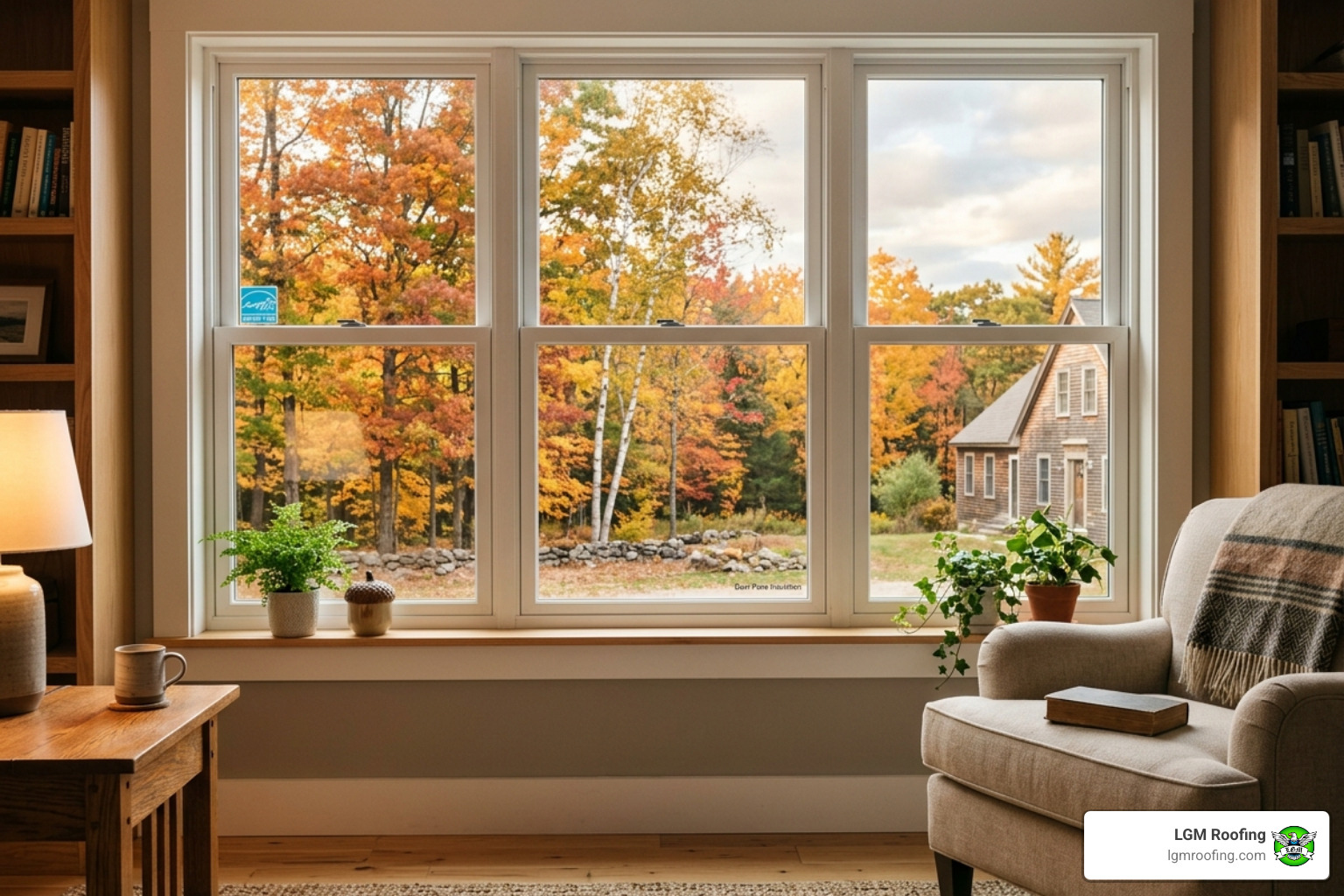
How to Keep the Northeast Chill Outside Where It Belongs
Understanding NFRC Energy Ratings for Northeast Windows
When you start shopping, you’ll see stickers with lots of numbers. Don’t let them intimidate you. These ratings are your best defense against buying a window that looks great but performs like a screen door in a blizzard. The most important label to look for is the one from the National Fenestration Rating Council (NFRC). It’s the “nutrition label” for windows, providing verified data on how that specific product handles heat and light.
For those of us in New Jersey, we fall into the Northern or North-Central ENERGY STAR climate zones. This means our windows have to work overtime to keep heat in during the winter while reflecting solar heat out during those sticky July afternoons.
| Metric | Northern Zone Requirement | North-Central Zone Requirement | Why It Matters |
|---|---|---|---|
| U-Factor | ≤ 0.30 | ≤ 0.30 | Measures insulation (Lower is better) |
| SHGC | Any (0.20-0.40 typical) | ≤ 0.40 | Measures solar heat gain (Lower blocks more sun) |
Understanding these numbers is the first step in our Window Remodeling New Jersey Guide.
What U-Factor is best when choosing energy efficient windows for northeast homes?
If there is one number to memorize, it’s the U-Factor. While most people are used to “R-values” for wall insulation (where higher is better), U-Factor measures the rate of heat loss. In this case, lower is better.
For a home in Paterson or Bloomfield, you should aim for a U-Factor of 0.30 or lower. High-performance windows can even get down to 0.20. A low U-Factor means the window has excellent thermal resistance. It keeps the interior glass surface warmer, which eliminates that “drafty” feeling you get when standing near a window in the winter. When the glass stays warm, the air in your room doesn’t cool down and “fall” toward the floor, which is what actually creates those floor-level chills.
How does orientation affect choosing energy efficient windows for northeast homes?
One mistake we often see homeowners make is buying the exact same window for every side of the house. In the Northeast, your windows should be “tuned” to the direction they face:
- South-facing windows: These are your best friends in the winter. If you choose a window with a slightly higher Solar Heat Gain Coefficient (SHGC), you can harness “passive solar heating,” letting the winter sun help warm your living room for free.
- North-facing windows: These never see direct sun and are hit by those biting northern winds. Here, you want the absolute lowest U-Factor you can afford to prevent heat from leaking out into the darkness.
- East and West-facing windows: These catch the morning and evening sun, which can cause intense glare and overheat your home in the summer. For these, a lower SHGC (around 0.25) is ideal to block out that punishing solar radiation.
Selecting the Right Glass and Frame Materials for Cold Climates
The glass isn’t just a clear sheet anymore; it’s a high-tech sandwich. Modern Window Remodeling involves selecting “glass packages” that include multiple panes and invisible coatings.

Low-E (Low-Emissivity) coatings are microscopic metallic layers that reflect infrared light. In the winter, they reflect your home’s heat back inside. In the summer, they reflect the sun’s heat away. Advanced coatings can protect your furniture and floors from UV fading by as much as 75%.
Between those panes of glass, manufacturers pump in Argon or Krypton gas. These gases are denser than air, which slows down the movement of heat through the window. Argon is the standard and offers great value, while Krypton is even more efficient (though more expensive) and is often used in thinner triple-pane units.
Comparing vinyl, wood, and fiberglass for durability
The frame holds everything together, and in the Northeast, it has to survive rapid freeze-thaw cycles and high humidity.
- Vinyl: This is the most popular choice for a reason. It’s affordable, requires almost zero maintenance, and high-quality vinyl frames feature multi-chambered designs that trap air for extra insulation. It won’t rot or attract insects, making it perfect for the humid Jersey climate.
- Fiberglass: Think of this as the “premium” version of vinyl. It’s incredibly strong and doesn’t expand or contract much with temperature changes. This means the seals stay tight for decades. It’s a “set it and forget it” material that can last 30 to 40 years.
- Wood: Nothing beats the classic look of wood for a historic Montclair colonial. Wood is a natural insulator, but it requires commitment. You’ll need to paint or stain it regularly to prevent rot. Many homeowners choose “clad-wood,” which has a wood interior and a protective aluminum or vinyl exterior.
The benefits of triple-pane glass in New Jersey winters
While double-pane windows are a massive upgrade over old single-pane units, triple-pane glass is the gold standard for Northeast comfort. By adding a third layer of glass, you create two separate chambers of insulating gas.
The benefits go beyond just lower bills. Triple-pane windows provide superior noise reduction—perfect if you live near a busy street in Jersey City or near the Parkway. They also significantly reduce condensation. Because the inner pane stays so much warmer, moisture in your home’s air is less likely to turn into frost or water droplets on the glass.
Best Window Styles for Northeast Architecture and Weather
Style isn’t just about looks; it’s about how the window interacts with the wind. When choosing energy efficient windows for northeast homes, the way the window opens (the “operability”) changes its airtightness.

Our region is famous for its architecture, and we’ve spent decades helping homeowners find the right match in our Expert Residential Window Remodeling In Montclair Nj For Every Home/ guide.
Why casement windows are the expert choice for high winds
If you live in a particularly windy area or near the coast, casement windows are our top recommendation. Unlike double-hung windows that slide up and down in a track, casement windows swing out on a hinge. When you crank them shut, the sash presses firmly against the frame, creating a compression seal.
Think of it like a refrigerator door. The harder the wind blows against a casement window, the tighter that seal becomes. This makes them the most airtight operable window style available, virtually eliminating drafts.
Matching energy efficiency with traditional colonial aesthetics
Many New Jersey homes are traditional Colonials or Cape Cods that look best with double-hung windows. These are the classic windows with two sashes that slide vertically. While older double-hung windows were notorious for being drafty, modern versions feature high-quality weatherstripping and interlocking sashes to keep the air out.
To keep that historic charm, you can opt for Simulated Divided Lites (SDLs). These give you the look of individual small panes of glass (the “grille” pattern) but use a single, highly efficient large pane of glass with the grilles attached to the surface. This gives you the curb appeal of a 19th-century home with 21st-century energy bills.
Maximizing Performance Through Professional Installation
You could buy the most expensive, triple-pane, krypton-filled window in the world, but if it’s installed poorly, it will perform like a cheap piece of plastic. Proper installation is the “secret sauce” of energy efficiency.
At LGM Roofing, we emphasize that a window is only as good as its seal. When we perform a Best Window Installation Bloomfield Nj/, we focus on the “rough opening”—the hole in your wall where the window sits.
Avoiding common installation errors that cause drafts
A common DIY or “budget” installer mistake is failing to insulate the gap between the window frame and the house frame. We use specialized low-expansion foam or high-grade insulation to fill every nook and cranny.
Another huge issue is “out of square” installation. If the window isn’t perfectly level and plumb, the sashes won’t meet correctly, leaving tiny gaps where air can whistle through. We also see “seal punctures”—where an installer uses the wrong size nail and accidentally pierces the gas-fill chamber or the weatherstripping, ruining the window’s efficiency before the job is even finished.
Managing indoor humidity to prevent window condensation
Sometimes, homeowners get new, efficient windows and are surprised to see fog or water on the inside of the glass. This usually isn’t a window failure; it’s a sign that your new windows are so airtight that the humidity in your home has nowhere to go.
To prevent this, we recommend:
- Warm-edge spacers: These are the pieces that hold the glass panes apart. Choosing non-metallic spacers reduces heat transfer at the edges of the glass, keeping them warmer.
- Proper Ventilation: Using bath fans and kitchen vents helps move moist air out of the house.
- Controlled Humidity: Keeping your indoor humidity between 30% and 40% in the winter prevents the air from reaching its “dew point” on the glass surface.
Frequently Asked Questions about Choosing Energy Efficient Windows for Northeast Homes
What are the regional incentives for window upgrades in the Northeast?
New Jersey homeowners have access to some great programs. The NJ Clean Energy Program often provides rebates for upgrading to high-efficiency equipment. Additionally, federal tax credits (like the Energy Efficient Home Improvement Credit) allow you to claim a percentage of the cost of ENERGY STAR windows on your federal taxes, up to a certain yearly limit. Always check the current year’s limits, as these programs are a great way to make a premium window more affordable.
How much can I save by switching to ENERGY STAR windows?
On average, replacing single-pane windows with ENERGY STAR models can save you about 13% on your heating and cooling costs. In a state like New Jersey, where winters are long and electricity rates can be high, those savings add up fast. Beyond the dollar amount, you save on “wear and tear” for your HVAC system, as it won’t have to run nearly as often to maintain a comfortable temperature.
Is impact-resistant glass necessary for coastal Northeast homes?
If you are in a coastal area prone to high winds or “High Velocity Hurricane Zones,” impact-resistant glass is a wise investment. This glass uses a strong polymer interlayer (similar to a car windshield) between two sheets of glass. If a flying branch hits the window during a storm, the glass may crack, but it won’t shatter or allow the wind to enter your home. This prevents the “internal pressurization” that often causes roofs to blow off during major storms.
Conclusion
Choosing energy efficient windows for northeast homes is a journey that starts with understanding your climate and ends with a home that is quieter, warmer, and much cheaper to run. Whether you’re looking to preserve the historic look of a home in Montclair or want the most modern, maintenance-free fiberglass units for a house in Piscataway, the principles remain the same: prioritize the U-Factor, choose the right glass package, and never settle for sub-par installation.
At LGM Roofing, we bring over 25 years of New Jersey contracting expertise to every project. We understand the local building codes, the specific weather challenges of towns like Wayne and Paterson, and the importance of a job done right the first time. Our commitment to excellence and our solid warranty mean you can rest easy knowing your home is protected.
Ready to stop shivering and start saving? Schedule your consultation for expert window remodeling today and let us help you keep the Northeast chill exactly where it belongs—outside.
