


Best Siding Materials for Northeast Weather: The Complete Guide
Why Siding Selection is Critical for Northeast Homes
If you’re researching the best siding materials for Northeast weather, here’s the short answer:
Top Siding Materials for Northeast Weather (Ranked)
| Material | Lifespan | Freeze-Thaw Resistance | Maintenance | Best For |
|---|---|---|---|---|
| Fiber Cement | 50+ years | Excellent | Low | Most Northeast homes |
| Composite Siding | 50+ years | Excellent | Very Low | Coastal & inland |
| Insulated Vinyl | 20-30 years | Good | Minimal | Budget-conscious buyers |
| Engineered Wood | 20-30 years | Good | Moderate | Wood-look aesthetics |
| Natural Cedar | 20-25 years | Fair | High | Historic & classic homes |
Fiber cement and composite siding are the top choices for Northeast homes because they resist freeze-thaw cycles, moisture, rot, and coastal salt air better than most alternatives. Insulated vinyl is the most affordable option with solid performance when properly installed.
Choosing the right siding in the Northeast isn’t just about looks — it’s about survival. New England and the broader Northeast region throw some of the harshest conditions in the country at a home’s exterior: sub-zero winter temperatures, relentless freeze-thaw cycles, heavy snow loads, wind-driven rain, and coastal salt air that quietly eats away at weaker materials year after year. Get the material wrong, and you’re looking at cracked panels, water intrusion, rotting sheathing, and sky-high energy bills within just a few winters.
The stakes are real. When temperatures swing dramatically — as they do throughout New Jersey, Connecticut, Massachusetts, and up through Maine — siding materials expand and contract with every cycle. Over time, that stress causes cheaper or poorly installed siding to crack, warp, or pull away from the wall, leaving your home vulnerable to moisture damage that can spread deep into the structure before you even notice it.
This guide breaks down exactly which siding materials hold up best against the Northeast’s toughest conditions, what installation details actually matter, and how to make a smart, long-term decision for your home.
I’m Darwin Mizhirumbay, founder of LGM Roofing and a second-generation exterior contractor with hands-on experience helping homeowners navigate decisions around the best siding materials for Northeast weather in New Jersey and beyond. As a GAF Master Elite Certified contractor, I’ve seen what holds up through brutal winters — and what fails — so you can trust that what follows is grounded in real-world experience.
The Unique Challenges of Northeast Weather on Home Siding
To understand why certain materials succeed while others fail, we have to look at the unique meteorological cocktail that defines our region. In New Jersey towns like Wayne, Paterson, and Bloomfield, our homes endure four distinct, highly intense seasons.
The Brutal Freeze-Thaw Cycle
Perhaps the single greatest enemy of home siding is the freeze-thaw cycle. During late autumn and winter, daytime temperatures often rise above freezing, causing snow and ice to melt into liquid water. This water finds its way into any microscopic crack, seam, or porous opening in your siding. Overnight, temperatures plummet. As that trapped water freezes, it expands by about nine percent. This expansion exerts incredible pressure, widening cracks, popping nails, and splitting weaker materials.
Heavy Snow and Wind-Driven Rain
Northeast blizzards and autumn nor’easters push moisture against your home with high velocity. Snow drifts can pile up against the lower sections of your siding, exposing it to direct, prolonged moisture and structural weight. If your siding material absorbs water, it will swell, warp, and eventually rot.
Furthermore, wind-driven rain can find its way behind your siding panels if your exterior envelope isn’t perfectly sealed. To learn more about how severe weather can quietly compromise your home, read our guide on How Storms Affect Your Roof and Siding Without You Knowing.
Coastal Salt Air and Temperature Swings
For homes closer to the coast, salt-laden air accelerates the corrosion of metal fasteners and can degrade low-quality finishes. Simultaneously, rapid temperature swings — sometimes a 40-degree drop in a single day — force rapid thermal expansion and contraction. Materials like basic vinyl can warp or buckle under this stress if they aren’t installed with room to breathe, while wood can split and crack.
Evaluating the Best Siding Materials for Northeast Weather
When selecting the best siding materials for Northeast weather, homeowners must strike a balance between durability, maintenance, aesthetics, and long-term return on investment (ROI).
According to the latest industry data for 2026, siding replacement remains one of the smartest investments a homeowner can make. In the Northeast region, homeowners can recoup an average of about 144.9% of fiber-cement siding costs and 92.7% of vinyl siding costs at resale.
To help you sort through your options, let’s look at how the primary siding categories compare. For a broader overview of exterior choices, you can also check out Siding Selection 101: A Homeowner’s Comparison Guide.
Why Fiber Cement is One of the Best Siding Materials for Northeast Weather
Fiber cement has earned its reputation as the gold standard for Northeast homes, and for good reason. Made from a blend of Portland cement, sand, water, and cellulose fibers, it behaves more like masonry than wood or plastic.
- Engineered for Climate: Leading manufacturers like James Hardie design products specifically for regional climates. In New Jersey, we use the HZ5 (HardieZone 5) product line, which is engineered specifically to resist shrinking, swelling, and cracking in wet, freezing conditions.
- Freeze-Thaw Resistance: Because it is highly dimensionally stable, fiber cement does not expand and contract drastically with temperature swings, keeping your seams tight and dry.
- Class A Fire Rating: It is completely non-combustible, offering superior fire protection compared to wood and vinyl.
- Pest and Rot Resistance: Termites, carpenter bees, and woodpeckers have no interest in fiber cement, and it will never rot.
- Lifespan: Properly installed and maintained, fiber cement siding can last up to 50 years.
While fiber cement is heavier and requires professional installation with specialized tools, its durability and classic wood-like appearance make it an incredibly high-value choice.
Vinyl Siding: Affordability and Low Maintenance
Vinyl remains one of the most popular siding materials across Paterson and Piscataway due to its cost-effectiveness and virtually maintenance-free nature.
- Moisture Resistance: Vinyl is completely waterproof. It does not absorb moisture, meaning it is immune to rot and mold growth.
- The Importance of Gauge: Standard vinyl can become brittle in extreme sub-zero temperatures, making it vulnerable to cracking if struck by a stray branch or hailstone. To prevent this, we always recommend high-quality, heavy-gauge vinyl siding. Thicker panels offer much greater impact resistance and stability during deep freezes.
- Thermal Expansion: Vinyl expands and contracts significantly. It must be hung loosely on nails rather than fastened tightly to allow it to slide back and forth as temperatures change.
- Lifespan: High-quality vinyl siding can last 20 to 30 years in our region.
For homeowners wondering how their current exterior will fare this winter, our detailed article Will Your Siding Survive a Northeast Winter? offers excellent diagnostic tips.
Engineered Wood and Composites: Modern Durability
Engineered wood and advanced composites represent the cutting edge of exterior home technology in 2026.
- Engineered Wood: Created by bonding wood fibers with industrial-grade resins, zinc borate (a natural pest deterrent), and wax under extreme heat and pressure. It offers the authentic warmth of real wood but boasts superior impact resistance against hail or wind-blown debris. It typically lasts 20 to 30 years.
- Composite Siding: Modern composites (such as Alside ASCEND or Everlast) combine inorganic minerals, polymer resins, and acrylics. These materials are completely impervious to moisture, do not require painting, and can easily last 50+ years with almost zero maintenance. They are cast from real cedar planks, providing incredibly deep woodgrain textures without the upkeep.
Natural Cedar: Classic New England Charm
For historic homes in Montclair, Wayne, or other established New Jersey neighborhoods, natural cedar shingles or clapboards offer unmatched historic authenticity.
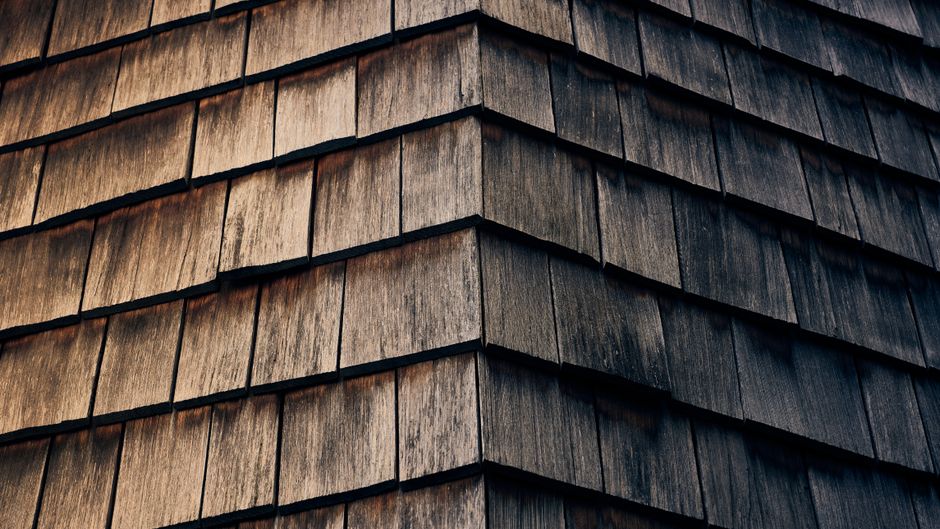
- Aesthetics: Cedar ages to a beautiful, classic silver-gray or can be stained to preserve its warm, natural hues.
- Natural Defenses: Cedar contains natural oils and tannins that resist decay and insects.
- High Maintenance: To survive wet Northeast winters, cedar requires diligent care. It must be professionally washed, sealed, or stained every few years to prevent moisture absorption, cupping, and rot.
- Lifespan: Typically lasts 20 to 25 years, though it can last longer with meticulous, hands-on maintenance.
Energy Efficiency and Insulation in Cold Climates
Siding isn’t just your home’s armor; it’s also its winter coat. Uninsulated walls can account for up to 30% of a home’s total heat loss.
When upgrading your siding, incorporating insulated siding or rigid foam backer boards is one of the most effective ways to lower your heating bills.
- Understanding Thermal Bridging: In a standard home, wood studs act as “bridges” that allow heat to escape directly through the walls, bypassing the insulation between the studs. Wrapping your home in continuous rigid foam insulation before installing new siding breaks this thermal bridge.
- R-Value: Adding contoured insulation behind your vinyl or composite siding significantly boosts your home’s overall R-value (the measure of thermal resistance).
- Energy Savings: Insulated siding can help homeowners save upward of 20 percent on annual energy bills.
- Noise Reduction: The thick foam backing also acts as an excellent acoustic barrier, quietening street noise from busy New Jersey roads.
If you suspect your current siding is letting cold drafts in, look for the warning signs highlighted in our guide, Don’t Let Your House Shed Its Skin: Signs You Need New Siding.
Critical Siding Installation Details to Prevent Winter Moisture Damage
Even the most expensive, durable siding material will fail if it is installed incorrectly. In the Northeast, moisture management is everything. Here are the non-negotiable installation details we implement on every job to ensure your home stays dry:
- High-Quality Housewrap (WRB): A continuous Water-Resistive Barrier (WRB) must be wrapped around the sheathing with all seams taped. This allows moisture vapor to escape from inside the home while keeping outdoor liquid water out.
- Window and Door Flashing: Self-adhering flashing tape must be integrated with the WRB around all openings to direct water away from vulnerable framing.
- Kick-Out Flashing: Where a roofline meets a vertical siding wall, a specialized kick-out flashing must be installed. This diverts heavy roof runoff directly into the gutter, preventing water from getting behind the siding.
- Water Table and Clearances: Siding should never touch the ground or roof shingles. We maintain a strict clearance (typically 1 to 2 inches from roofs and decks, and 6 inches from grade) to prevent water from wicking upward into the material.
Why Professional Installation Matters for the Best Siding Materials for Northeast Weather
Siding installation is a highly precise trade. When dealing with extreme temperature swings, the physical installation technique determines whether your siding lasts 50 years or warps in its first summer.
- Fastener Depth and Spacing: For materials like vinyl, nails must be driven straight and centered in the nailing slots, leaving about a 1/32-inch gap (roughly the thickness of a dime) between the nail head and the vinyl. This allows the panel to expand and contract freely.
- Wind Load Ratings: In coastal and high-wind zones, fasteners must be spaced precisely to meet local wind load building codes.
- Trim Work Quality: The difference between an average siding job and a flawless, leak-free exterior lies in the trim work. Proper J-channels, corner posts, and soffit integrations require experienced, local craftsmanship.
To understand the benefits of working with a contractor who knows local municipal codes and regional weather patterns inside and out, read Bloomfield’s Own: Why Choose Local Siding Contractors Near You?.
Frequently Asked Questions About Northeast Siding
What is the most durable siding for New England and Northeast winters?
Fiber cement and high-grade composite siding are widely considered the most durable options. Unlike vinyl, they do not become brittle in sub-zero temperatures, and unlike wood, they do not absorb moisture or crack during intense freeze-thaw cycles.
How does coastal salt air affect siding selection?
Coastal salt air accelerates the degradation of metals and paints. If you live near the water, materials like fiber cement, composite siding, and high-quality vinyl are ideal because they resist corrosion, salt damage, and fading. It is also crucial to use corrosion-resistant stainless steel or hot-dipped galvanized fasteners.
Can new siding improve my home’s energy efficiency?
Yes, absolutely. By pairing your new siding with a continuous layer of rigid foam insulation (or choosing factory-insulated siding), you can eliminate thermal bridging through your wall studs, keeping your home warmer in the winter and saving up to 20% on your heating and cooling bills.
Conclusion: Partner with New Jersey’s Exterior Experts
Choosing the best siding materials for Northeast weather is one of the most important investments you will make for your home. Protecting your property from freezing winters, humid summers, and sudden storms requires a combination of top-tier materials and flawless, certified installation.
At LGM Roofing, we bring over 25 years of construction and exterior remodeling experience to homeowners in Wayne, Paterson, Bloomfield, Piscataway, and throughout New Jersey. As a GAF Master Elite Certified contractor, our commitment to using premium materials, executing precise installation details, and backing our work with industry-leading warranties ensures your home remains safe, efficient, and beautiful for decades to come.
Ready to transform your home’s exterior with a climate-ready solution? Contact us today to schedule your professional siding installation consultation.
