


Commercial roof repair in jersey city, nj: 5 Solutions
Protecting Your Business Starts from the Top
Commercial roof repair in jersey city, nj is essential for maintaining the integrity of your property and protecting your business operations. Jersey City’s variable weather—from heavy snow and ice in winter to intense summer heat and UV exposure—places significant stress on commercial roofing systems, making timely repairs and regular maintenance critical to avoid costly disruptions.
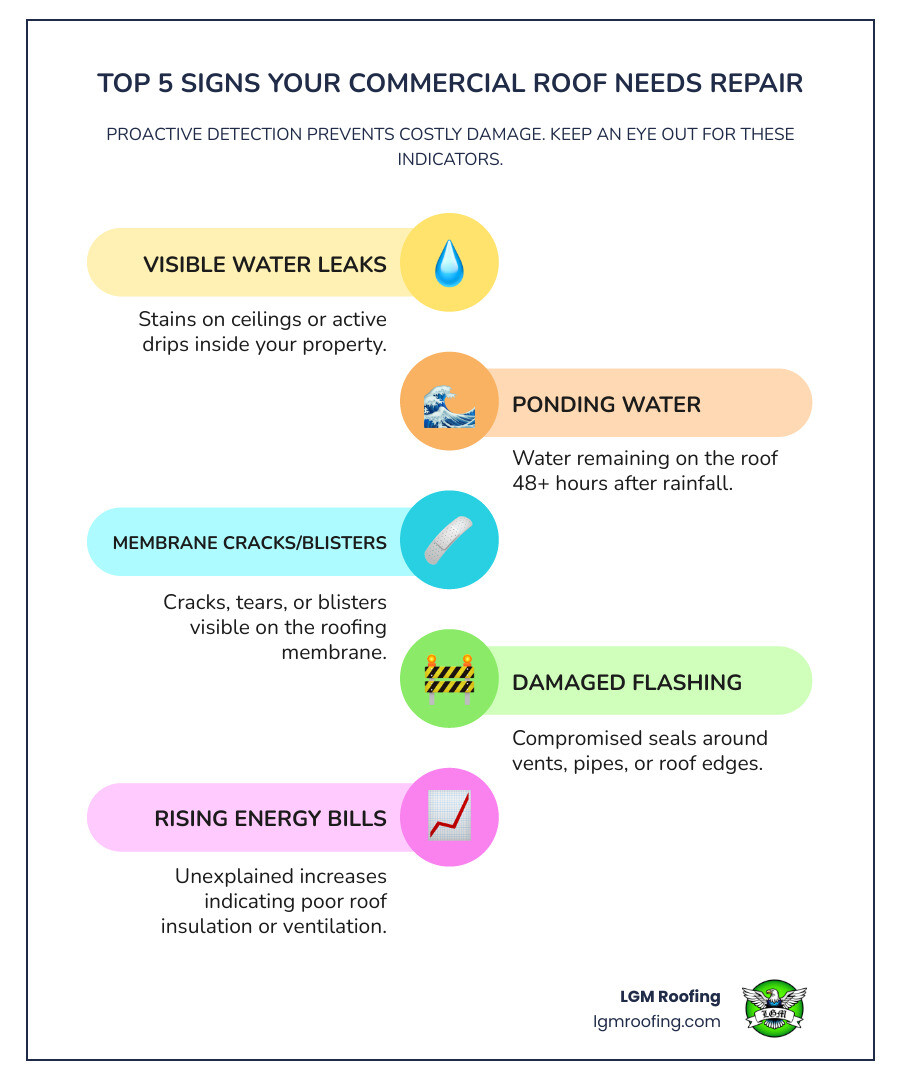
If you need commercial roof repair in Jersey City, NJ, here’s what to look for:
- Visible leaks or water stains on ceilings and interior walls
- Ponding water that remains on your flat roof 48 hours after rain
- Cracked or blistered membranes on TPO, EPDM, or PVC roofing systems
- Damaged flashing around roof penetrations, edges, or HVAC units
- Clogged drains or gutters preventing proper water drainage
- Unexplained increases in your energy bills due to compromised insulation
Commercial roofs are built to last, but they’re not invincible. The Hudson County climate, combined with foot traffic, debris accumulation, and age-related deterioration, can lead to issues that demand swift attention. Whether your roof damage stems from extreme weather, lack of maintenance, or simply wear and tear over time, addressing problems early prevents them from escalating into major structural issues, interior property damage, or business closures. For comprehensive guidance on maintaining your property’s exterior, explore our resources on roofing solutions across New Jersey, and when you’re ready to move forward, request a free estimate to get started.
This guide walks you through identifying roof problems on your Jersey City property, understanding your repair and restoration options, navigating local permitting requirements, and choosing the right contractor for the job. I’m Darwin Mizhirumbay, and I bring over six months of hands-on leadership at LGM Roofing, building on nearly two decades of my father’s experience in the industry, including extensive work on commercial roof repair in jersey city, nj. Our team is fully licensed, insured, and recognized as a GAF Master Elite Contractor, giving you the confidence that your commercial roofing project is in expert hands.
Identifying Roof Problems on Your Jersey City Property
Protecting your commercial property in Jersey City starts with a proactive approach to your roof’s health. The dynamic climate of Hudson County, with its harsh winters and humid summers, poses unique challenges to commercial roofing systems. Regular assessment and professional inspections are not just good practice; they are essential for damage prevention and extending the life of your investment. Think of it as your building’s first line of defense against the elements – if it’s compromised, everything underneath is at risk.
Common Causes of Commercial Roof Damage
Commercial roofs in Jersey City face a barrage of environmental and operational stressors. Understanding these common causes is the first step in effective prevention and timely commercial roof repair in jersey city, nj.
- Jersey City Weather: Our local climate is a significant factor. Heavy snow and ice can lead to excessive weight, ice dams, and freeze-thaw cycles that expand and contract roofing materials, causing cracks and splits. High winds, common during storms, can lift and tear membranes, dislodge flashing, and send debris flying, causing impact damage. Constant UV exposure from the summer sun can degrade roofing materials, making them brittle and shortening their lifespan.
- Lack of Maintenance: This is perhaps the most preventable cause. Neglecting routine inspections and minor repairs allows small issues to fester and grow into major problems. For instance, clogged drains and gutters can lead to ponding water, which severely degrades roofing membranes over time.
- Foot Traffic: While commercial roofs aren’t designed for heavy pedestrian use, maintenance crews, HVAC technicians, and other personnel often access them. Without proper walkways or care, this foot traffic can cause punctures, abrasions, and stress points on the roofing surface.
- Debris Accumulation: Leaves, branches, trash, and other debris can accumulate on your roof, especially in urban environments. This debris can trap moisture, accelerate material degradation, and clog drainage systems, contributing to standing water.
- Age-Related Deterioration: Even the most robust roofing systems have a finite lifespan. Over time, materials naturally break down due to constant exposure to the elements, leading to reduced flexibility, adhesion failures, and general wear and tear.
Signs You Need Commercial Roof Repair in Jersey City, NJ
Catching roof problems early can save your business significant time, money, and headaches. Be vigilant for these common indicators that your commercial roof may be in need of attention:
- Visible Water Leaks: This is often the most obvious sign. Water stains on ceilings, walls, or inventory within your building are clear indicators of a roof breach. Don’t ignore them, as leaks can lead to structural damage and mold growth.
- Stains on Ceilings and Walls: Even if you don’t see active dripping, discoloration or water rings on interior surfaces suggest moisture intrusion.
- Ponding Water: Flat roofs are designed to drain water efficiently. If you notice water standing on your roof for more than 48 hours after rainfall, it indicates poor drainage or structural issues that can lead to premature roof failure.
- Membrane Cracks or Blisters: Inspect the roofing material itself. Cracks, tears, or blisters (raised areas where moisture or air is trapped beneath the surface) on TPO, EPDM, PVC, or modified bitumen roofs are clear signs of material fatigue or damage.
- Damaged Flashing: Flashing—the material used to seal the edges of your roof and around penetrations like vents, skylights, and HVAC units—is critical for preventing leaks. If it’s pulled away, cracked, or corroded, your roof is vulnerable.
- Clogged Drains: Roof drains and gutters are essential for channeling water away. If they’re clogged with debris, water can back up, leading to ponding and potential overflow.
- Unexplained Energy Bill Spikes: A compromised roof can lose its insulating properties, allowing heat to escape in winter and enter in summer. If your energy bills are suddenly higher without a change in usage, your roof could be a culprit.
If you observe any of these signs, it’s time to act. Addressing these issues promptly can prevent minor repairs from becoming major replacements. For more insights into local roofing solutions, visit our page on roof repair in Jersey City, NJ.
The Value of Professional Roof Inspections
Just like regular check-ups for your health, professional roof inspections are vital for the longevity of your commercial property. We cannot stress enough the advantages they offer:
- Early Detection: Our experienced technicians can spot subtle signs of wear, minor damage, or potential vulnerabilities that might go unnoticed by an untrained eye. This early detection is crucial because 80% of roofs are replaced prematurely, often due to neglected minor issues.
- Preventing Major Damage: By identifying and addressing small problems, we prevent them from escalating into costly structural damage, extensive interior property damage, or even business shutdowns. A small leak, if left unchecked, can lead to mold, rot, and compromised structural integrity.
- Documenting Roof Condition: Regular inspections provide a detailed history of your roof’s condition, which can be invaluable for insurance claims, warranty purposes, and future maintenance planning.
- Maintenance Planning: Based on inspection findings, we can develop a custom maintenance plan to extend your roof’s lifespan and optimize its performance. This proactive approach saves money in the long run.
- Recommended Inspection Frequency: Commercial roofs, especially flat roofs, need to be inspected anywhere from two to four times a year, typically in the spring and fall, and after any significant weather event. This ensures that seasonal stresses are identified and addressed promptly.
- Safety Compliance: Our professional inspections also ensure that your roof remains compliant with local building codes and safety regulations, protecting your business from potential fines and liabilities.
Your Guide to Commercial Roof Repair in Jersey City, NJ
When it comes to your commercial property, understanding your roofing solutions, material performance, repair techniques, and long-term strategies is key. We are here to guide you through the complexities of commercial roof repair in jersey city, nj, ensuring you make informed decisions for your business. Just as we ensure structural integrity for your building’s exterior, we also offer expertise in siding contractors in Jersey City, NJ.
Repair vs. Restoration: What’s Right for Your Business?
When your commercial roof shows signs of wear, you’re often faced with a crucial decision: repair, restoration, or replacement. Understanding the difference is vital for making a cost-effective and long-term choice.
- Roof Repair Defined: This involves targeted fixes for specific, localized damage. For example, patching a small puncture, sealing a leaking flashing, or replacing a few damaged membrane sections. Repairs are appropriate when the overall roof system is still in good condition, and only isolated areas require attention. It’s a quick and often less expensive solution for immediate problems.
- Roof Restoration Defined: Restoration is a more comprehensive process that aims to extend the overall life and warranty of an existing roof by addressing major deficiencies. This typically involves thoroughly cleaning the roof, making necessary repairs to damaged areas, and then applying a high-performance coating system over the entire surface. Restoration can renew a roof’s waterproofing, improve its energy efficiency, and improve its resistance to UV rays and weather.
- Extending Lifespan and Cost-Effectiveness: A significant benefit of restoration is its ability to extend a roof’s life and warranty by 10 to 15 years. This is a powerful alternative to full replacement, especially considering that 80% of roofs are replaced prematurely. Restoration is often significantly less expensive than a full roof replacement, offering a strong return on investment by deferring the much larger capital expenditure of a new roof.
- Avoiding Premature Replacement: If your roof is structurally sound but showing widespread surface wear or minor leaks, restoration can breathe new life into it, preventing the need for a costly and disruptive tear-off and replacement project.
- When to Choose Each Option:
- Choose Repair for isolated damage, active leaks in an otherwise healthy roof, or as a temporary measure until a more comprehensive plan can be implemented.
- Choose Restoration when your roof is aging but still has good structural integrity, has widespread minor leaks or surface degradation, or if you want to extend its life and improve performance without the high cost and disruption of replacement.
- Choose Replacement when your roof is beyond repair or restoration—meaning it has extensive structural damage, multiple layers of roofing, or has reached the end of its serviceable life.
Common Commercial Roofing Systems and Their Needs
Jersey City businesses use a variety of commercial roofing materials, each with unique characteristics, performance in our local climate, and specific repair needs. Here’s a look at the most common types:
| Roofing Material | Lifespan | Durability | Energy Efficiency | Repair Methods | |
