


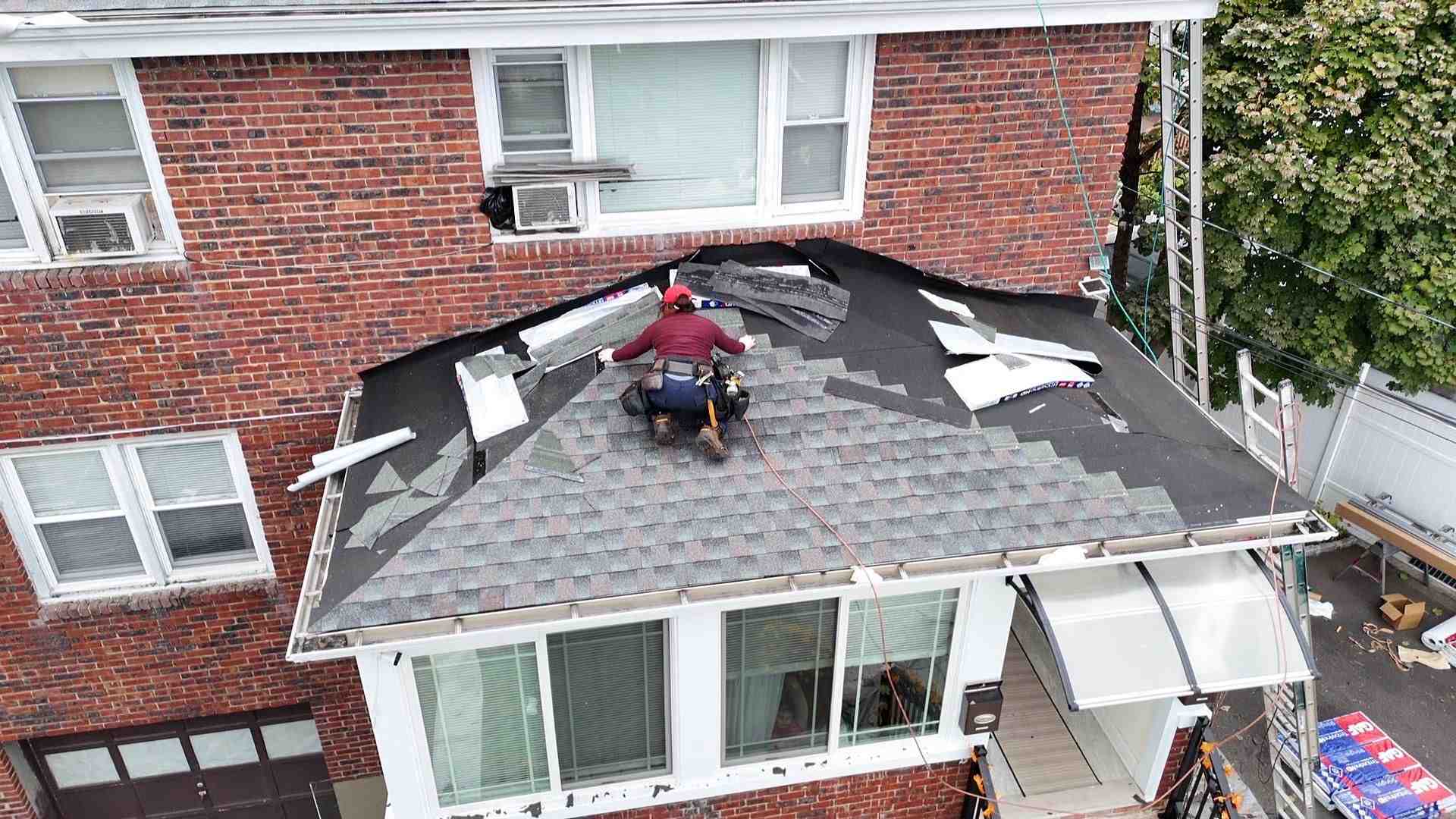
The Ultimate Guide to Missing or Curling Shingles
What Missing or Curling Shingles Mean for Your New Jersey Home
Understanding missing or curling shingles what they mean for your home’s safety is something every New Jersey homeowner should know. Here’s a quick answer:
Missing or curling shingles signal that your roof’s protective barrier is compromised. Specifically, they mean:
- Exposed underlayment and roof decking – the layers beneath shingles are not designed for long-term weather exposure
- Increased leak risk – water can infiltrate within weeks, especially during New Jersey’s heavy rain and snow seasons
- Weakened wind resistance – shingles that are lifting or absent can trigger a domino effect, pulling surrounding shingles loose
- Possible underlying issues – poor attic ventilation, aging materials, or improper installation are often the root cause
- Accelerated roof deterioration – one compromised shingle puts stress on neighboring shingles and shortens overall roof lifespan
These aren’t cosmetic problems. They are early warning signs that your roof needs attention now, before small issues become expensive structural damage.
Asphalt shingles are designed to last 20 to 30 years, but curling and blow-offs can appear much earlier when ventilation, installation, or material quality fall short. Once shingles are missing or visibly distorted, the clock starts ticking on potential water damage, wood rot, and mold growth — sometimes within just a few weeks of exposure.
I’m Darwin Mizhirumbay, co-owner of LGM Roofing and a second-generation roofing professional with hands-on experience diagnosing exactly what missing or curling shingles mean for homeowners across New Jersey. In this guide, I’ll walk you through every cause, risk, and solution so you can make a confident, informed decision about your roof.
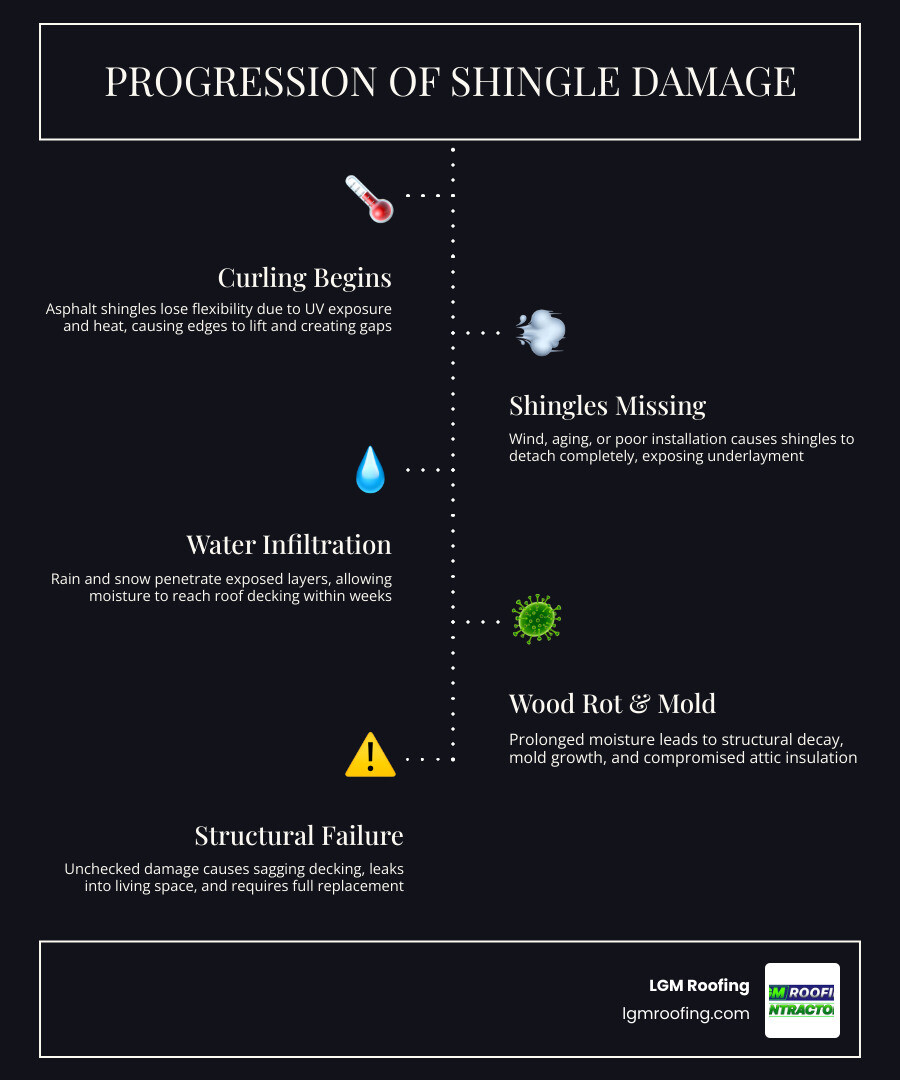
Missing or Curling Shingles What They Mean for Your Home’s Protection
Your roof is a complete engineered system designed to keep the elements outside. The outer layer of asphalt shingles acts as the primary shield, shedding water and deflecting UV rays. When you notice curling or missing shingles, it means this critical shield has developed a breach.
To understand the full impact, it helps to distinguish between the two primary ways a shingle can warp:
- Cupping: This occurs when the outer edges of the shingle curl upward, creating a cup-like shape. Cupping is often a sign of moisture issues originating from beneath the shingle, combined with intense heat on the surface.
- Clawing: This happens when the center of the shingle bulges upward while the edges curl downward, resembling a claw. Clawing is typically a symptom of natural aging, UV degradation, and the physical shrinkage of the asphalt material over time.
Both of these conditions weaken your roof’s wind resistance. Under normal conditions, flat shingles seal together using built-in thermal adhesive strips that activate under the sun’s heat. When shingles curl, that seal is broken. The lifted edges act like tiny sails, catching the wind. A strong gust can easily catch a curled shingle, snap its brittle material, or rip it away entirely.
Once a shingle goes missing, your roof’s underlayment and plywood decking are directly exposed to rain, snow, and ice. While modern synthetic underlayments offer temporary water resistance, they are not designed to withstand direct weather exposure or UV rays for long. Water can quickly migrate around nail penetrations, seep into the roof decking, and compromise your home’s structural integrity. Recognizing these early Signs of Roof Damage from the safety of the ground is the first step in avoiding catastrophic leaks.
Missing or Curling Shingles What They Mean for Attic Ventilation
The health of your shingles is directly tied to the airflow beneath them. In fact, poor attic ventilation is one of the leading causes of premature shingle curling.
An effective attic ventilation system relies on a continuous balance of intake air (usually entering through soffit vents at the eaves) and exhaust air (escaping through ridge vents or gable vents). If this system is blocked, unbalanced, or absent, two major issues occur:
- Extreme Heat Buildup: On a hot summer day in Paterson or Wayne, roof surface temperatures can easily climb. Without proper airflow to flush hot air out of the attic, attic temperatures can soar. This extreme heat literally bakes the shingles from the underside, causing the asphalt binder to dry out, lose its flexibility, and curl prematurely.
- Moisture Retention: During the winter, warm, humid air from daily activities like cooking, showering, and running the dryer rises into the attic. If the attic lacks ventilation, this humidity condenses on the cold underside of the wooden roof deck. This moisture penetrates the decking and the underside of the shingles, causing the organic or fiberglass mats to expand unevenly against the dry, sun-baked top layer. This differential moisture absorption causes the shingles to cup and warp.
This destructive process is known as thermal shock, and it can shave years off your roof’s expected lifespan while quietly rotting your roof deck from the inside out.
Missing or Curling Shingles What They Mean for Energy Efficiency
Your roof plays a massive role in regulating your home’s interior temperature. When shingles curl or go missing, the protective system breaks down, directly impacting your comfort and your wallet.
Curled shingles allow heat to transfer more freely through your roof deck and into your attic. This intense heat buildup radiates down through your ceilings, forcing your air conditioning system to work overtime to keep your home cool. The result is a noticeable spike in your summer utility bills.
Beyond energy efficiency, damaged shingles take a heavy toll on your home’s curb appeal and overall property value. Your roof can make up nearly half of your home’s visible exterior. Spotting curled, buckled, or missing shingles from the street gives the immediate impression of neglect. If you are planning to sell your home in Bloomfield or Piscataway, a visibly failing roof will likely become a major sticking point during home inspections, often forcing sellers to agree to steep price reductions before closing.
The Primary Causes of Shingle Curling and Blow-Offs
Understanding why shingles fail helps you take proactive steps to protect your property. In our 25+ years of experience serving New Jersey homeowners, we have found that shingle damage usually traces back to a few primary culprits:
- UV Degradation and Aging: Over time, constant exposure to ultraviolet radiation dries out the heavy oils in asphalt shingles. As these oils dissipate, the shingles lose their pliability, become highly brittle, and begin to shrink. This natural shrinking of the asphalt layer against the stable fiberglass backing creates internal tension, causing the edges to curl.
- Improper Installation: Even the highest-quality shingles will fail if they aren’t installed correctly. Common workmanship errors include “high-nailing” (placing nails above the manufacturer’s designated nail line), using too few nails, or failing to align the shingles properly. If shingles are installed during freezing temperatures without manual sealing, the thermal adhesive strip may fail to bond, leaving them highly vulnerable to being blown off by the wind.
- Thermal Expansion and New Jersey Weather: Our local climate features dramatic temperature swings. From humid, scorching summers to freezing winters with heavy snow, your roof constantly expands and contracts. This thermal movement puts immense stress on older, less flexible shingles, causing them to crack, buckle, or pull away from their fasteners.
- Multiple Layers of Shingles (Roof-Overs): Some homeowners choose to install a second layer of shingles over an existing roof to save on tear-off costs. However, this practice traps heat between the layers, accelerating the breakdown of the top shingles and causing them to curl much faster than they would on a single-layer system.
Learning how to identify these issues early is key to maintaining a dry home. You can read more about these common local issues in our guide on the Top 7 Roofing Problems in New Jersey Homes and How to Spot Them.
The Risks of Delaying Professional Roof Repairs
Ignoring a few curled or missing shingles might seem harmless, but roof damage behaves like a domino effect. What starts as a minor cosmetic blemish can quickly escalate into a major home emergency.
To illustrate how quickly risks and repair scopes escalate over time, consider the comparison below:
| Aspect | Immediate Action | Delayed Action (12+ Months) |
|---|---|---|
| Water Infiltration | Confined to the surface; underlayment remains intact. | Water migrates through seams, rotting the plywood deck and staining ceilings. |
| Structural Integrity | No impact; roof deck remains dry, solid, and strong. | Wood rot weakens rafters and decking, potentially leading to visible sagging. |
| Mold and Health Risks | Zero risk of mold growth or indoor air quality issues. | Mold spores colonize damp attic insulation and drywall within 24 to 48 hours. |
| Scope of Repair | Simple localized repair or target shingle replacement. | Full system replacement including decking, insulation, and drywall repairs. |
When water bypasses a missing shingle, it travels along the path of least resistance. It may run down a rafter and drip onto your ceiling feet away from the actual leak source. By the time you notice a water stain on your living room ceiling, the plywood decking beneath your shingles has likely been saturated for weeks.
Furthermore, mold thrives in dark, damp environments. Once moisture enters your attic, it can colonize insulation and drywall in as little as 24 to 48 hours, posing serious health risks to your family and requiring professional remediation. Knowing The Best Times to Check Your Shingles—especially after major storms or seasonal transitions—is crucial to catching these issues before they turn into a full-scale restoration project.
Repair vs. Replacement: Choosing the Right Path for Your NJ Home
When faced with damaged shingles, the biggest question homeowners ask is whether they can get away with a repair or if they need a complete roof replacement. The answer depends on several key factors:
- The Age of the Roof: If your roof is less than 12 to 15 years old and the curling or missing shingles are confined to a small, isolated area (such as wind damage on a single slope), a targeted repair is often highly effective. However, if your roof is approaching the end of its typical 20-to-30-year lifespan, the shingles have likely lost their flexibility. Attempting to repair a brittle, aging roof can actually cause more damage, as walking on the surface and lifting adjacent shingles to install replacements can cause them to crack and break.
- The Extent of the Damage: If more than 10% to 15% of your shingles are showing signs of curling, clawing, or bald spots from granule loss, it indicates a systemic failure. This is often a sign of widespread ventilation issues or material degradation, meaning that patching individual areas will only delay the inevitable.
- The Condition of the Decking: If the plywood decking beneath the shingles is soft, spongy, or rotting, the shingles can no longer hold fasteners securely. In this scenario, a full tear-off is necessary to replace the damaged wood and establish a solid foundation.
At LGM Roofing, we hold the prestigious GAF Master Elite certification—a distinction earned by only the top 2% of roofing contractors nationwide. This certification means our team is factory-trained to install complete, integrated roofing systems that meet the highest industry standards. It also allows us to offer GAF’s strongest warranties, including the Golden Pledge Warranty, which provides up to 50 years of non-prorated coverage on materials and up to 25 years of coverage on our workmanship.
When we evaluate your roof, we don’t just look at the surface shingles. We perform a comprehensive diagnostic check of your attic ventilation, underlayment, flashing, and decking to determine the most reliable, long-term solution for your home. You can read more about how we evaluate these factors in our guide on Roof Repair vs. Replacement: How to Know What Your NJ Home Really Needs.
Frequently Asked Questions About Damaged Shingles
Managing roof issues can feel overwhelming. Here are direct answers to some of the most common questions we hear from homeowners in New Jersey.
How quickly can missing shingles cause a leak?
A missing shingle can cause a leak during the very next rainfall. While the underlayment beneath your shingles provides a temporary secondary barrier, it is highly vulnerable at nail penetrations and seams.
Once a shingle is gone, water can easily seep under the edges of surrounding shingles, migrate down the roof deck, and penetrate your home’s interior. In heavy wind-driven rain or winter snowstorms, water can pool in these exposed areas, leading to ceiling stains and active leaks within days.
Can poor attic ventilation cause shingles to curl prematurely?
Yes, absolutely. Poor attic ventilation is one of the leading causes of premature shingle failure. When heat and humidity are trapped in your attic, they bake the shingles from underneath, breaking down the asphalt binder and making them brittle.
Without balanced airflow to regulate temperatures, your shingles will cup, claw, and lose their wind resistance years ahead of schedule. To learn more about how environmental factors and airflow impact your roof’s health, check out our guide on Shingle Longevity 101: What Really Affects Your Roof’s Life.
Should I replace my entire roof if only a few shingles are curling?
Not necessarily. If your roof is relatively new and the curling is limited to a small area—perhaps near a poorly sealed chimney or a localized spot with minor physical damage—a targeted repair may be all you need.
However, if the shingles across multiple slopes are brittle, showing widespread curling, or losing their protective granules, it indicates a systemic issue. A professional inspection is the best way to determine if your shingles still have the physical pliability required to make localized repairs practical.
Securing Your Home’s Future With Professional Roofing Care
Your roof is your home’s first line of defense against New Jersey’s unpredictable weather. Spotting missing or curling shingles early is a gift—it is your roof’s way of telling you there is a problem before water begins dripping through your ceiling. Taking prompt, professional action to address these warning signs will save you from costly structural repairs, mold remediation, and premature roof failure down the road.
At LGM Roofing, we bring over 25 years of trusted general contracting and roofing experience to every project we touch. Serving communities throughout Wayne, Paterson, Bloomfield, and Piscataway, we pride ourselves on delivering unmatched craftsmanship, honest diagnostics, and the peace of mind that comes with our GAF Master Elite certification. We don’t believe in temporary patches that ignore the root cause of your roofing problems; we build complete, highly ventilated, wind-resistant roofing systems designed to protect your family for decades.
Don’t wait for the next storm to test your roof’s limits. Schedule a professional roof inspection with LGM Roofing today, and let our factory-certified experts ensure your home remains safe, dry, and energy-efficient.
