


A Practical Guide to Compare Siding Materials for Your Home
Which Siding Material Is Better for Your Home in New Jersey?
Which siding material is better for your home depends on your New Jersey climate, home style, upkeep preferences, and long-term goals. Fiber cement is often the most balanced choice for durability, fire resistance, and curb appeal. Vinyl is a practical option for homeowners who want lower maintenance. Wood brings natural character but needs regular care, while metal, stucco, and stone can work well for specific designs and weather conditions. The right siding installation also matters as much as the material, because proper flashing and weather barriers help protect the walls behind it.
Explore our siding selection guide or schedule professional siding installation.
I am Darwin Mizhirumbay, a second-generation leader at LGM Roofing, a licensed and insured GAF Master Elite Contractor focused on clear communication, quality work, and strong warranty protection. My experience helping homeowners plan exterior projects helps me explain which siding material is better for your home in a straightforward way.
Relevant articles related to which siding material is better for your home:
Overview of Popular Residential Siding Options

Choosing new cladding for your exterior is one of the most impactful decisions you can make as a homeowner. Beyond simply altering your curb appeal, exterior cladding creates the primary protective shell that shields your structural framing, interior insulation, and living spaces from moisture, wind, and severe temperature swings. When evaluating which siding material is better for your home, understanding the fundamentals of each material family is the essential first step.
To learn more about foundational cladding principles, check out Siding Selection 101: A Homeowner’s Comparison Guide. Across New Jersey—from quiet suburban neighborhoods in Wayne NJ, Bloomfield NJ, and Piscataway NJ to high-end estates in Alpine and Short Hills—homeowners can choose from several distinct exterior options.
Vinyl Siding
Vinyl siding remains the most widespread cladding material used on single-family homes across North America, covering roughly 27% of residential exteriors. Manufactured from synthetic polyvinyl chloride (PVC) resin, vinyl is engineered to offer an accessible balance of weather protection, aesthetic versatility, and low ongoing maintenance.
Because the color pigment permeates entirely through the depth of the PVC material rather than sitting on the surface, vinyl does not chip or peel like traditional paint. Modern premium vinyl products incorporate advanced chemical additives, such as titanium oxide, to resist UV degradation and solar fading. Homeowners seeking reliable performance and straightforward upkeep frequently choose vinyl, especially when upgrading mid-income properties where dependable local expertise delivers long-lasting results. For detailed insights into material life expectancy, consult our article All About How Long Vinyl Siding Lasts.
Fiber Cement Siding
Fiber cement siding represents a major technological leap in residential exterior protection. Composed of a durable composite blend containing Portland cement, sand, silica, and natural cellulose fibers, fiber cement offers the rich, detailed look of traditional wood without wood’s inherent vulnerabilities to rot, insect attack, or combustion.
Fiber cement delivers unmatched dimensional stability, remaining firm and rigid through severe freeze-thaw cycles and intense humidity. For custom luxury residences in Short Hills or historic renovations in Paterson NJ, fiber cement provides premium architectural profiles, deep shadow lines, and superior durability. To explore detailed material head-to-head performance, review The Complete Guide to Vinyl Siding vs Fiber Cement Siding Comparison.
Natural and Engineered Wood Siding
Natural wood siding—including red cedar clapboard, pine shingles, cypress, and redwood—has long served as the classic architectural benchmark for residential character. Natural wood provides warmth, historic authenticity, and exceptional grain textures that synthetic materials continuously strive to mimic.
However, real wood demands diligent ongoing care to prevent moisture absorption, warping, fungal decay, and pest infestations. For homeowners dealing with surface issues, reading about The Most Effective Solution for Peeling Paint on Siding outlines critical preservation strategies. As a modern alternative, engineered wood combines natural wood fibers with specialized resin binders and zinc borate preservatives to offer natural beauty alongside enhanced decay and insect resistance.
Metal, Stucco, and Stone Options
Beyond vinyl, fiber cement, and wood, several specialized materials provide unique performance profiles:
- Metal Siding: Steel and aluminum siding offer exceptional fire resistance, complete immunity to pests, and long-term lifespan. Steel standing seam and vertical board-and-batten profiles have gained popularity for modern farmhouses and modern contemporary designs.
- Stucco Finish: Stucco consists of a traditional cement, sand, and lime plaster mixture applied over a wire lath base. It creates a seamless, classic exterior that excels in thermal mass performance, though proper drainage planes are critical in damp climates.
- Stone and Stone Veneer: Natural stone and manufactured stone veneer offer unmatched visual impact, physical mass, and extreme durability. Frequently installed as lower-wall accents, entry features, or chimney cladding, stone veneer adds upscale character and curb appeal to custom residential projects.
Key Performance Criteria: Which Siding Material Is Better for Your Home?
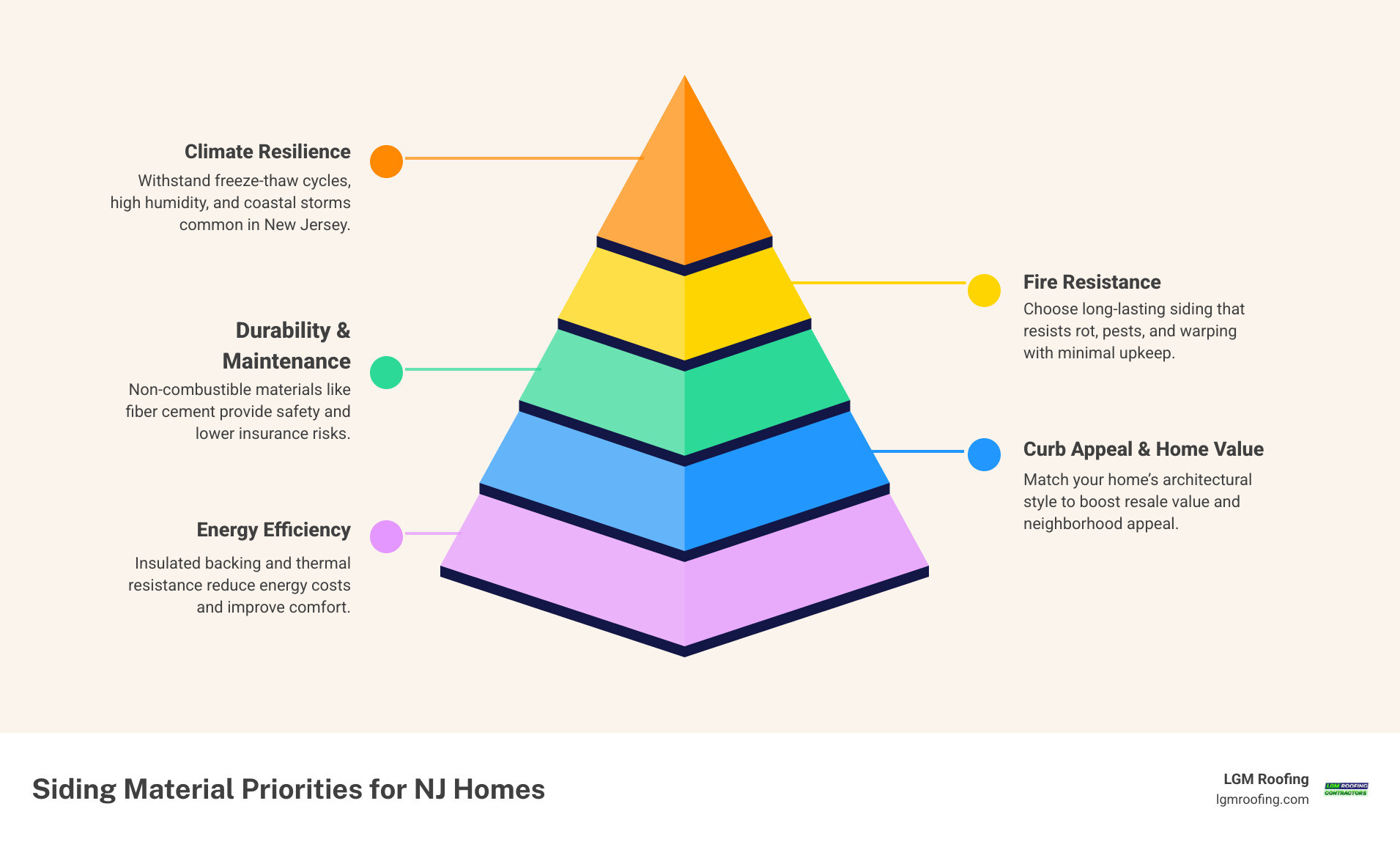
Determining which siding material is better for your home requires weighing several performance criteria against your long-term ownership goals, maintenance preferences, and architectural expectations.

When upgrading your exterior cladding, it is equally important to evaluate your whole building envelope, including integrated roof repair, high-efficiency window installations, and custom door replacements. To discover how exterior renovations boost property performance, read about how to Dress Your House for Success with These High-Value Exterior Upgrades and review our AZ Guide to How Old Siding Affects Energy Efficiency.
| Performance Factor | Vinyl Siding | Fiber Cement | Natural Wood | Steel Siding | Manufactured Stone |
|---|---|---|---|---|---|
| Expected Lifespan | 20 – 40 Years | 50+ Years | 20 – 40 Years | 40 – 70+ Years | 50+ Years |
| Maintenance Need | Very Low | Low | High | Low | Low |
| Fire Resistance | Melts / Warps | Class A Non-Combustible | Combustible (Untreated) | Class A Non-Combustible | Non-Combustible |
| Pest Resistance | High | Complete Immunity | Vulnerable | Complete Immunity | Complete Immunity |
| Resale Value Impact | Strong | Excellent | Selective / Niche | Strong | Outstanding Accent |
Upkeep Demands: Which Siding Material Is Better for Your Home Maintenance Preferences?
Maintenance tolerance varies greatly among homeowners. When deciding which siding material is better for your home, consider how much routine labor and periodic refinishing you are prepared to manage:
- Vinyl Siding: Requires minimal upkeep. Annual cleaning with a garden hose, soft-bristle brush, and mild soap is typically all that is needed to remove surface dust and seasonal pollen.
- Fiber Cement Siding: Holds paint significantly longer than raw wood—typically 10 to 15 years between repainting cycles when finished with factory-applied coatings. Joint caulk and flashing lines should be inspected periodically.
- Steel Siding: Features factory-cured polymer finishes that resist chalking, fading, and peeling for decades. It requires simple periodic rinsing to maintain its clean surface.
- Natural Wood Siding: Requires continuous maintenance. To prevent moisture intrusion, wood must be scraped, primed, painted, or stained every 3 to 7 years.
Architectural Aesthetics: Which Siding Material Is Better for Your Home Design Style?
Your home’s architectural heritage should strongly influence your material choice. Traditional historic homes in Paterson NJ often call for authentic wood clapboard or carefully detailed fiber cement panels that match historical preservation guidelines. Meanwhile, high-end custom homes in Alpine benefit from custom combinations of fiber cement, natural cedar shakes, and manufactured stone veneer accents that highlight architectural luxury.
Modern Farmhouse designs across suburban New Jersey frequently pair vertical board-and-batten metal or fiber cement panels with dark window trim and updated door installations, creating bold contrast and crisp curb appeal.
Evaluating Climate Resilience and Environmental Impact
New Jersey weather presents a demanding environment for residential exteriors. From damp, high-humidity summers to brutal freezing winter storms, your cladding must endure continuous thermal cycling, heavy rains, gale-force winds, and icy freeze-thaw events.
To understand how local weather patterns influence exterior performance, read our complete guide on the Best Siding Materials for Northeast Weather: The Complete Guide and learn key techniques on How to Prevent Freeze-Thaw Damage to Roofing and Siding.
Regional Weather Performance
- Freeze-Thaw Cycles: During New Jersey winters, water penetrates tiny micro-cracks in unsealed cladding. When temperatures drop below freezing, trapped water expands by approximately 9%, exerting tremendous mechanical force. Fiber cement and factory-coated steel withstand freeze-thaw cycles without cracking or delaminating.
- Severe Winds and Storms: Coastal wind gusts and nor’easters test cladding attachment. Fiber cement panels and heavy-gauge steel are rated to withstand winds exceeding 130 to 150 mph when properly fastened. Standard vinyl panels can become brittle below 10°F, making them susceptible to impact damage from falling branches during icy winter storms.
- Wildfire and Flame Resistance: Fiber cement, stucco, stone, and steel carry Class A fire ratings, meaning they do not support combustion. Installing non-combustible cladding provides vital fire safety protection for your household.
To safeguard your home against severe winter storms, review Don’t Let Winter Win with These Top Northeast Siding Choices and evaluate if your house is ready by asking Will Your Siding Survive a Northeast Winter?.
Energy Efficiency and Eco-Friendly Factors
Cladding plays a major supporting role in your home’s total thermal assembly. While standard vinyl or fiber cement panels carry relatively low standalone R-values (R-0.3 to R-0.6), installing insulated vinyl siding—which features factory-laminated rigid foam backing—boosts exterior wall insulation up to R-2.0 through R-5.0. This cuts thermal bridging through wall studs and lowers annual heating and cooling demands.
Furthermore, combining continuous exterior wall insulation, updated high-efficiency windows, and modern insulated doors creates an airtight energy envelope. Explore local energy-saving opportunities in our NJ Energy Efficient Siding Windows Rebates Guide.

From an environmental standpoint, engineered wood and fiber cement carry relatively low embodied carbon footprints, whereas steel and aluminum products are 100% recyclable at the end of their service life.
Frequently Asked Questions About Siding Selection
What are the primary signs that existing siding needs replacement?
Homeowners should regularly inspect their home’s exterior envelope for clear indicators of fatigue and failure:
- Visible Warping or Buckling: Indicates heat distortion or trapped moisture behind panels.
- Peeling Interior Paint or Wallpaper: Points to moisture migrating completely through exterior walls.
- Fungal Growth and Soft Spots: Signals wood rot or saturated sheathing underneath.
- Persistent High Energy Bills: Hints that exterior insulation and air barriers have degraded.
To identify hidden exterior issues early, read Don’t Let Your House Shed Its Skin: Signs You Need New Siding and discover How Storms Affect Your Roof and Siding Without You Knowing.
Is professional siding installation necessary over self-installation?
Yes, professional installation by licensed, experienced contractors is crucial. Exterior cladding relies on an integrated weather-resistive barrier (WRB), self-adhered flashing membranes, J-channels, corner posts, and continuous drainage planes. Incorrectly positioned nails, missing flashing, or improper expansion gaps will trap moisture inside wall cavities, causing extensive hidden rot, structural decay, and mold growth.
As a GAF Master Elite Contractor with over 25 years of construction experience in New Jersey, we ensure that every siding installation, roof repair, and window replacement meets rigorous manufacturer specifications and local building codes, preserving your full warranty coverage.
Which siding option delivers the highest resale return on investment?
Fiber cement replacement consistently ranks among the top ROI exterior remodeling projects nationwide, frequently recouping a major portion of the initial investment at property resale due to its extreme longevity, curb appeal, and non-combustible fire rating. Insulated vinyl replacement also offers strong resale performance by delivering immediate curb appeal and low maintenance to prospective home buyers.
Conclusion
Determining which siding material is better for your home comes down to balancing material durability, climate resilience, architectural aesthetics, and long-term maintenance preferences. Whether you select versatile vinyl, high-performance fiber cement, classic cedar, or durable steel panels, superior execution and skilled craftsmanship are what ensure your investment lasts for decades.
At LGM Roofing, our 25+ years of contractor experience across New Jersey—from Wayne, Paterson, Bloomfield, and Piscataway to Alpine and Short Hills—means we bring deep technical expertise to every project. As a GAF Master Elite Contractor, our team delivers complete exterior protection, combining high-quality siding, comprehensive roof repair, window upgrades, and custom door installations backed by industry-leading warranties.
Ready to transform your home’s exterior with confidence? Contact our expert team today to schedule a comprehensive exterior consultation and discover our Professional Siding Installation Services.

Comments are closed