


Siding Color and Style Options for Curb Appeal Compared
How Siding Choices Shape New Jersey Curb Appeal
Siding color and style options for curb appeal work best when they match your home’s architecture, fixed exterior features, and New Jersey weather. Light neutrals with clear trim contrast are often a safe long-term choice, while mixing lap siding with board-and-batten or shake accents can add texture and depth. The challenge is that the wrong undertone, a color that changes in shade, or a material that does not fit local moisture and sun exposure can make an exterior feel disconnected. This guide helps New Jersey homeowners make confident siding installation choices that support appearance, durability, and future buyer appeal.
Compare siding materials and profiles in our Siding Selection 101 guide | Talk with LGM Roofing about siding installation
At LGM Roofing, our GAF Master Elite certification reflects our focus on quality assurance, clear communication, and dependable warranty support. I am Darwin Mizhirumbay, a second-generation exterior contractor and business leader, and I help homeowners weigh siding color and style options for curb appeal with the same practical care that goes into every home improvement decision.
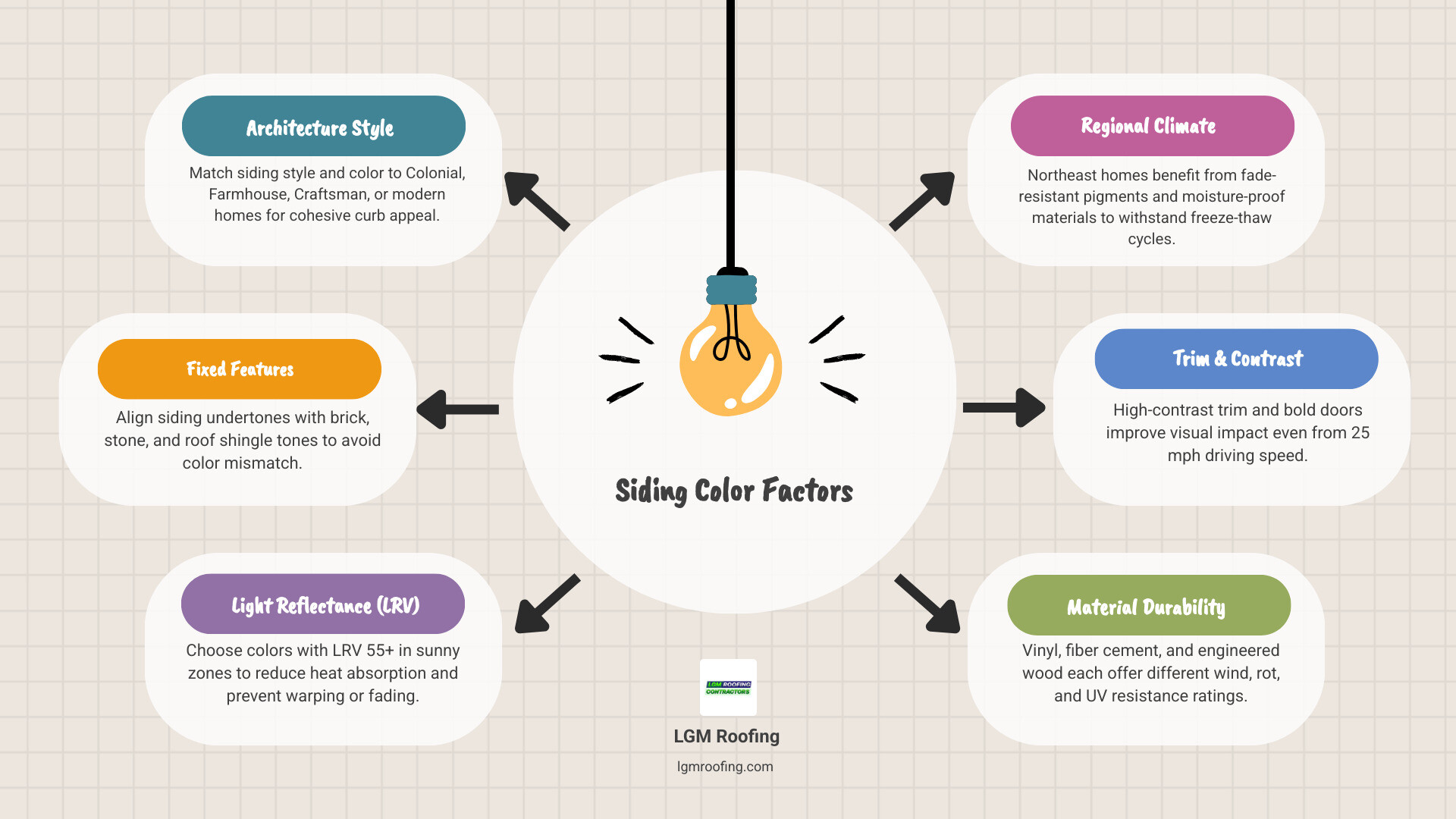
Key siding color and style options for curb appeal vocabulary:
Key Factors in Selecting Exterior Siding Colors
Choosing a new exterior palette involves more than picking a favorite color from a design catalog. A successful transformation requires analyzing how fixed structural elements, environmental lighting, and regional weather interact across your facade. Whether you are updating a classic suburban home in Wayne NJ or refining a historic residence in Bloomfield NJ, evaluating color performance under real-world conditions ensures your home looks cohesive from every angle.
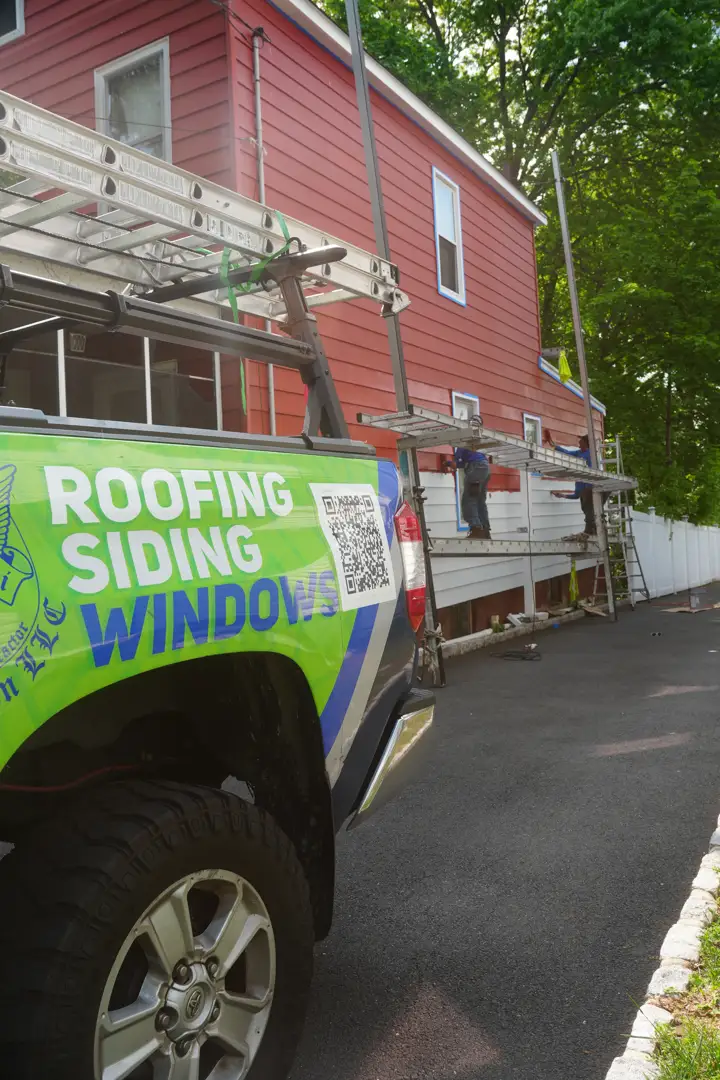
We recommend starting by examining the fixed architectural components that will remain unchanged during your renovation. Your roof shingles, stone foundations, brick chimneys, window frames, and paved walkways serve as the baseline for your overall color scheme. By establishing a complementary visual connection between these permanent elements and your new siding, you protect your investment and learn how to boost your home value without breaking the bank.
Matching Palette to Fixed Features and Masonry
Masonry and roofing materials possess distinct color undertones that dictate which siding shades will look natural on your home. Red brick, warm ledgestone, and brown asphalt shingles carry warm undertones (yellow, red, or beige). When paired with warm siding shades like cream, sand, or warm greige, these elements create a harmonious, welcoming facade.
Conversely, dark charcoal roofs, gray granite, and slate tiles carry cool undertones (blue, green, or violet). These fixed features align beautifully with crisp whites, cool light grays, and soft blues. Mis-matching warm masonry with icy cool gray siding creates a subtle visual clash that can make an otherwise flawless installation feel uncoordinated.
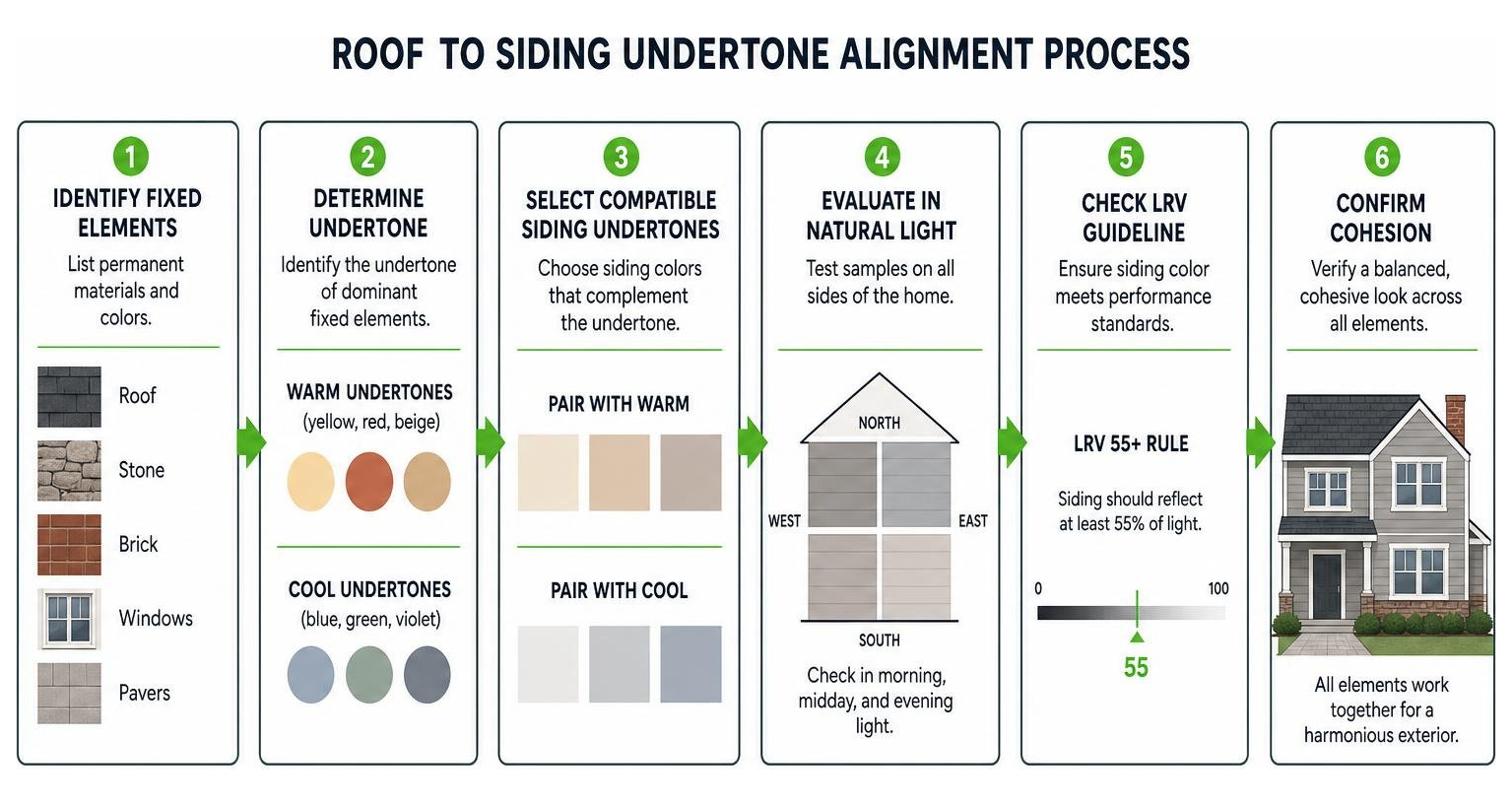
Natural sunlight also drastically alters how siding colors read across a full elevation. Direct southern exposure washes out lighter neutrals, making mid-tone grays appear significantly brighter. North-facing walls receive indirect cool light, which can cause dark grays or greens to feel heavy or muddy.
Additionally, vinyl siding relies on Light Reflectance Value (LRV)—a scale from 0 (pure black) to 100 (pure white). Standard vinyl formulations generally adhere to the LRV 55+ rule, meaning they must reflect at least 55% of light to prevent excessive thermal heat absorption and warping under summer sun.
Regional Color Preferences and Market Trends
Across the Northeast, color trends reflect a balance between traditional elegance and modern design choices. In high-income communities like Short Hills and Alpine, custom architectural solutions paired with rich, deep tones or warm natural woodgrain accents are increasingly popular. Meanwhile, in mid-income neighborhoods throughout Paterson NJ and Piscataway NJ, homeowners prioritize durable, reliable neutrals that offer classic curb appeal and effortless upkeep.
While classic Arctic White historically represented 35% to 45% of all siding installations, modern preferences across New Jersey are expanding into versatile gray-based neutrals and earth tones:
- Gray-Based Neutrals: Shades like Cobble Stone (up 7% in recent homeowner popularity) and Iron Gray (up 6.5%) offer a refined, contemporary update to traditional gray palettes.
- Nature-Inspired Greens: Muted sage, olive, and cypress green bring a calm, organic aesthetic that blends seamlessly into lush garden landscapes.
- Coastal and Deep Blues: Soft misty blues and deep navy hues provide high-contrast elegance when paired with bright white trim and custom entry doors.
- Warm Greiges: Muted linen, pebble clay, and sand shades are steadily replacing cold, flat grays to deliver a warm, inviting presence.
Exploring these regional shifts is one of the easiest ways to dress your house for success with these high-value exterior upgrades.
Evaluating Siding Color and Style Options for Curb Appeal
The architectural profile you select defines your home’s shadow lines, texture, and visual scale. Selecting the right combination of siding color and style options for curb appeal means matching profile geometry—such as traditional horizontal lap, vertical board-and-batten, or rustic shakes—with your home’s historical or structural identity.
Siding Color and Style Options for Curb Appeal Across Architectural Styles
Every home architectural style carries clear design traditions that guide effective siding and color selection:
- Colonial and Cape Cod Homes: Traditional Colonial structures excel with horizontal lap siding or Dutch lap profiles in soft neutrals, classic whites, or muted light grays. Crisp white window trim and dark shutters create timeless architectural definition.
- Modern Farmhouse: Characterized by crisp high contrast, Modern Farmhouse designs utilize vertical board-and-batten siding in bright white or soft off-white, paired with dark charcoal trim, black window frames, and warm wood accents.
- Craftsman and Bungalows: These homes thrive on rich, warm textures. Pair deep sage green, warm taupe, or earth-tone lap siding with cedar-textured polymer shakes on gables, complemented by stone veneer bases and thick timber posts.
- Contemporary and Modern Designs: Modern architecture favors clean lines and bold statements. Utilizing deep charcoal, near-black, or rich coastal blue horizontal panels paired with vertical accent bands creates dynamic visual depth.
When planning a full exterior update, reviewing Siding Selection 101: A Homeowner’s Comparison Guide ensures your profile choices align with your long-term maintenance preferences and performance goals.
Mixing Siding Styles and Textures for Visual Depth
Combining different siding profiles breaks up large visual expanses and directs attention to unique architectural features. Transitions between different siding styles provide natural break points to shift profile direction or color shades.
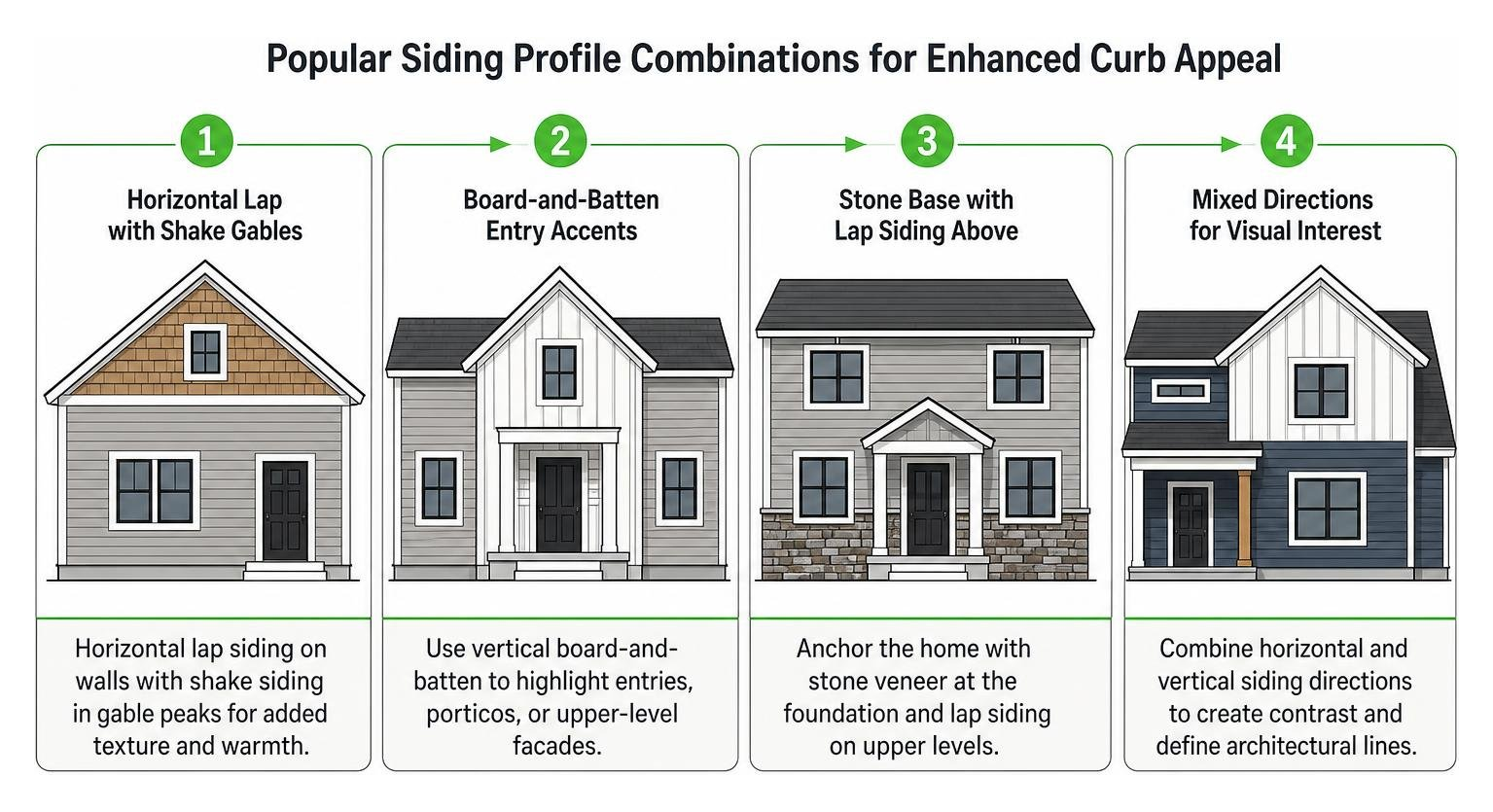
Here are four effective siding profile combinations that add immediate visual interest:
- Horizontal Clapboard Body with Shake Gables: Install traditional horizontal lap siding across main elevation walls, using rustic polymer cedar shakes in gable peaks to add warm, textured shadow lines.
- Board-and-Batten Accents on Porticos and Entries: Frame main entryways or upper stories with vertical board-and-batten panels while keeping the main house in horizontal lap siding.
- Stone Veneer Foundations with Lap Siding Upper Levels: Ground your home visually by anchoring foundation walls with natural ledgestone veneer, building upward with mid-tone horizontal siding.
- Mixed Woodgrain and Solid Tones: Pair dark solid-colored composite panels with rich warm cherry or walnut woodgrain accents around porch ceilings and window bump-outs.
Material Comparison: Durability, Climate, and Maintenance
A beautiful color palette is only as good as the underlying material engineered to protect it. New Jersey weather subjects home exteriors to humid summer heat, coastal gale winds, and freezing winter snow cycles. Choosing materials engineered for high climate resilience ensures your facade retains its beauty for decades without constant repainting or costly repairs.
| Siding Material | Primary Durability Features | Wind Load Resistance | Maintenance Level | Color Retention Technology |
|---|---|---|---|---|
| Vinyl Siding | Rot, moisture, and pest resistant; flexible interlocking panels | Up to 110–180 mph | Low (Routine washing) | Built-in UV inhibitors; LRV 55+ standards |
| Cellular Composite | Solid core design; zero moisture absorption; rot-proof | Up to 180–200 mph | Very Low | Kynar Aquatec coatings; 25-year color warranties |
| Engineered Wood | High impact resistance; lightweight strength | Rated up to 200 mph | Low | Factory-applied primers & baked-on finishes |
| Fiber Cement | Fireproof, rot-proof, termite-proof | Up to 130–150 mph | Low to Moderate | Factory-baked finishes (15-year color warranties) |
| Metal Siding | Fire resistant; non-combustible; structural rigidity | High wind resistance | Extremely Low | High-performance baked fluoropolymer finishes |
| Stone Veneer | Weatherproof; impact resistant panelized system | High structural stability | Very Low | Natural mineral tones; zero color fade |
Vinyl and Cellular Composite Performance
Modern vinyl siding remains a popular residential choice because it resists moisture, rot, and insect damage while eliminating the need for routine painting. Quality vinyl formulations incorporate advanced UV inhibitors to protect against solar fading over time. To better understand its lifespan, explore all about how long vinyl siding lasts.
Cellular composite siding represents a premium upgrade, combining a solid-core cellular structure with advanced architectural coatings. Unlike standard hollow panels, composite boards eliminate thermal buckling and gapping, offering an authentic heavy-wood look with zero moisture absorption. If you are weighing your options between synthetic and masonry or fiber choices, read the complete guide to vinyl siding vs fiber cement siding comparison.
Fiber Cement and Engineered Wood Strength
For homeowners facing extreme weather conditions, engineered wood and fiber cement offer exceptional structural stability. Engineered wood lap siding is available in 16-foot lengths—4 feet longer than standard 12-foot vinyl boards. These extended lengths result in significantly fewer overlapping seams across long elevation walls, creating a clean, high-end appearance and speeding up installation times.
Furthermore, premium engineered wood siding is engineered to withstand wind gusts up to 200 miles per hour, making it an outstanding choice for coastal New Jersey homes. Discover more long-term weather solutions in our guide on the best siding materials for northeast weather: the complete guide.
Metal Siding and Stone Veneer Accents
Metal siding (aluminum and steel) delivers remarkable structural strength, absolute fire resistance, and minimal maintenance requirements. It handles extreme freeze-thaw cycles without cracking, making it ideal for tough winter conditions.
Stone veneer accents add tactile richness and heavy-grounding curb appeal. Panelized ledgestone systems fit securely along foundation walls, porch columns, and entry facades, offering the natural beauty of real stone in an affordable, lightweight package. Learn how robust materials protect your property in our guide on whether your siding will survive a northeast winter.
Designing High-Impact Color Schemes and Contrast Strategies
A well-planned exterior palette balances main body siding, trim, door accents, and roofing into a cohesive visual rhythm. Evaluating exterior contrast relies heavily on the “25 mph billboard rule”—ensuring architectural details and color distinctions remain sharp and readable when viewed from 30 feet away or from a passing vehicle.
Trim, Accent, and Shutters Coordination
Trim acts as the architectural frame of your home. Selecting wide window and door casings (4 to 6 inches wide) creates striking focal points that draw the eye toward custom entryways and window groupings.
- High Contrast Strategy: Pair dark main body siding (like navy or iron gray) with crisp white trim, or pair bright white siding with dark charcoal or black trim. High contrast defines crisp architectural lines.
- Low Contrast Strategy: Pair soft warm gray siding with off-white or cream trim for a soft, understated, traditional aesthetic.
- The Color Drenching Trend: A modern exterior design approach where siding, window trim, soffits, fascia, and gutters are finished in the exact same shade. This creates a streamlined, modern aesthetic that makes smaller home profiles appear visually larger.
Mixed Materials and Woodgrain Accent Integration
Integrating warm natural textures creates sophisticated visual warmth across contemporary and classic facades alike. Combining solid-colored siding with natural woodgrain finishes—such as rich cherry, warm walnut, or natural cedar—brings dynamic organic charm to modern farmhouses and craftsman homes.
When combining materials, ensure your roofing, window trim, and siding work together seamlessly. As a GAF Master Elite roofing contractor, LGM Roofing ensures that your roof repairs, window trims, entry door installations, and siding updates function as a unified, weatherproof building envelope. If your current exterior shows wear, learn how to identify critical warning indicators in don’t let your house shed its skin: signs you need new siding.
Practical Selection Guidelines and Common Mistakes to Avoid
Choosing new siding is a long-term investment that shapes your home’s character for decades. Following practical testing methods helps prevent costly aesthetic or performance mistakes.
How to Visualize Siding Color and Style Options for Curb Appeal
Relying solely on small digital swatches or printed brochures can be misleading, as outdoor lighting drastically alters how colors present in real life. We recommend following a structured selection process:
- Digital Visualizer Testing: Upload a photo of your home into digital visualization tools to test different profile combinations, vertical accents, and color palettes virtually.
- Order Physical Sample Boards: Always request full-sized physical product samples from your contractor before finalizing material orders.
- Multi-Angle Sunlight Inspection: Hold physical sample boards against your home’s exterior walls under direct morning light, indirect afternoon shade, and cloudy conditions. Sunlight softens light neutrals and causes deep jewel tones to pop.
- Evaluate from Distance: Place samples against your lower foundation and stand 30 feet back to verify that the color contrast holds up from the street.
Common Pitfalls in Exterior Color Selection
Avoid these common mistakes when selecting your exterior palette:
- Ignoring Fixed Roof and Masonry Undertones: Forgetting to match siding undertones with existing roof shingles or stone foundations leads to visual disharmony.
- Chasing Short-Lived Trends: Selecting extreme, hyper-trendy colors can cause a home to look outdated within a few years, diminishing future buyer appeal.
- Installing Standard Dark Vinyl in Direct Sunlight: Installing dark vinyl panels (LRV under 55) without specialized heat-resistant technology can cause heat distortion, buckling, and panel warping under summer heat. Review our guide on how not to let winter win with these top northeast siding choices.
- Painting Damaged Siding: Attempting to paint over warped, water-damaged, or rotting siding only masks underlying structural issues. Discover the most effective solution for peeling paint on siding.
Frequently Asked Questions About Siding Options
What siding colors offer the best long-term resale value?
Timeless neutral colors like classic white, soft light gray, warm greige, beige, and light pewter gray consistently yield the highest resale appeal. Neutrals provide maximum versatility, allowing future homebuyers to easily visualize their own personal style while keeping the home looking crisp, clean, and well-maintained.
How does local weather affect siding color performance?
In the Northeast, freezing winter cold, moist coastal weather, and hot summer sun test exterior coatings. Lighter siding shades reflect natural sunlight and absorb less thermal energy, helping keep homes cooler in warm months. Darker shades absorb more heat and require advanced UV inhibitors and infrared-reflective pigments to resist thermal warping and long-term sun fading.
Can dark siding colors be safely installed on residential homes?
Yes, dark siding shades like navy blue, deep forest green, charcoal, and near-black can be safely installed when engineered using dark-color technologies. Engineered wood, fiber cement, metal siding, and premium heat-resistant vinyl lines incorporate infrared-reflecting pigments that scatter solar heat, allowing dark facades to retain their color without thermal heat damage.
Conclusion
Selecting the ideal siding color and style options for curb appeal requires balancing architectural history, fixed masonry undertones, material performance, and regional weather resilience. By pairing complementary profile textures—such as horizontal clapboard with gable shake accents or vertical board-and-batten features—you create dynamic visual depth that elevates your entire property.
At LGM Roofing, our 25+ years of exterior contractor experience across New Jersey—including Wayne, Paterson, Bloomfield, and Piscataway—ensures your roof, siding, windows, and doors are installed with absolute precision. Our GAF Master Elite certification guarantees superior craftsmanship, clear communication, and industry-leading warranty protection for your home.
Ready to enhance your home’s exterior appeal with long-lasting protection? Explore our professional siding installation services and schedule a consultation with our exterior experts today!

Comments are closed