
The Permit Tug-of-War: Should Your Roofer Handle the Paperwork?
Discover if your roofer handles permits for you in NJ. Learn requirements, risks, process & why pros manage it for compliance & peace of mind.

The Permit Tug-of-War: Should Your Roofer Handle the Paperwork?
Understanding When a Roofing Permit is Required in New Jersey
In the state of New Jersey, the rules governing home construction are dictated by the New Jersey Uniform Construction Code (UCC). This code isn’t just a suggestion; it is a set of laws designed to ensure that every structure is safe for its inhabitants. When it comes to your roof, the permit acts as the city’s way of verifying that the work will actually protect you from the elements rather than collapsing under the next heavy snowfall.
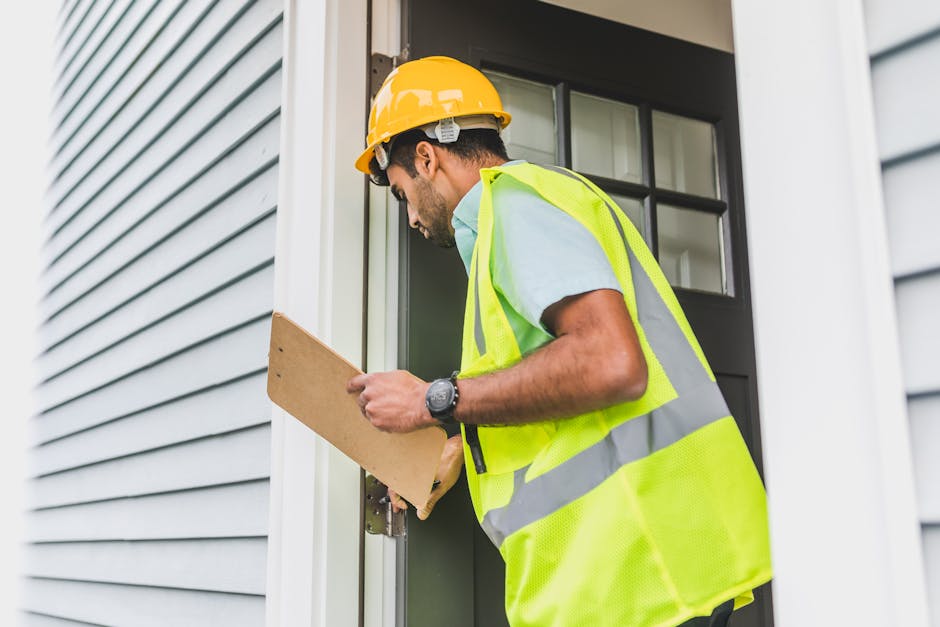
Many homeowners ask us if a permit is truly necessary for every single hammer swing. The answer depends on the scope of the project. Generally, a permit is mandatory for:
- Full Roof Replacements: If we are stripping the old materials down to the deck and installing a new system, a permit is required in virtually every NJ municipality, from Wayne to Piscataway.
- The 25% Rule: In many jurisdictions, if you are repairing or replacing more than 25% of the total roof area within a six-month period, it triggers the need for a formal building permit.
- Structural Repairs: If your roof has sagging rafters or damaged structural sheathing that needs replacement, the town wants to ensure the “bones” of your home remain sound.
- Material Changes: Switching from standard asphalt shingles to a much heavier material, like slate or certain tiles, requires a permit to ensure the structure can handle the increased load.
- Historic Districts: If you live in a designated historic area, you often face an extra layer of “tug-of-war.” You may need approval from a local historic commission in addition to the standard building permit to ensure the materials match the neighborhood’s aesthetic.
It is also important to understand how many shingle layers are actually allowed by code. NJ code generally allows for a maximum of two layers of shingles. If you already have two layers, a full tear-off is mandatory, and the permit process ensures this rule is followed to prevent excessive weight on your home’s frame.
Does your roofer handle permits for you as the professional standard?
When you hire a professional, you aren’t just paying for shingles and nails; you are paying for project management. In our 25+ years of experience, we have found that the most reliable answer to does your roofer handle permits for you should always be a resounding “Yes.”
When a contractor pulls the permit in their name, they are legally declaring themselves the “Responsible Party.” This is a massive win for the homeowner. It means the contractor is vouching for their own licensing, their worker’s compensation insurance, and their adherence to safety codes.
Why Contractors Must Take the Lead
Reputable companies, especially those with GAF Master Elite status like ours, have the administrative manpower to navigate township offices. We know the specific quirks of the building departments in Paterson and Bloomfield. We handle the technical drawings and the insurance certificates so you don’t have to spend your Tuesday morning waiting in line at a municipal building.
Furthermore, there is the question of can you install a new roof over an old one pros cons nj regulations. A professional roofer will know exactly how to document this for the inspector to ensure the project passes the first time.
Contractor-Led vs. Homeowner-Led Permitting
| Feature | Contractor-Led (The Professional Way) | Homeowner-Led (The Risky Way) |
|---|---|---|
| Liability | Contractor is responsible for code failures. | Homeowner is legally responsible for all errors. |
| Insurance | Town verifies contractor’s active insurance. | Homeowner may be liable for worker injuries. |
| Expertise | Contractor knows technical code requirements. | Homeowner may struggle with technical specs. |
| Inspections | Contractor coordinates and attends. | Homeowner must wait for the inspector. |
| Red Flags | Professional and transparent. | High risk of hiring an unlicensed worker. |
The Risks of Skipping Permits and Contractor Red Flags
Skipping a permit might save a few hundred dollars today, but it can cost tens of thousands tomorrow. We have seen “Stop Work” orders slapped onto houses mid-project, leaving a roof exposed to the rain while the homeowner scrambles to pay fines that are often double or triple the original permit fee.
Beyond the immediate fines, there are long-term “legal hangovers”:
- Insurance Claim Denial: If a hurricane hits NJ in 2026 and causes roof damage, your insurance company may look at the records. If they see the roof was replaced without a permit, they can argue the installation wasn’t to code and deny your claim entirely.
- Resale Complications: When you sell your home, the buyer’s home inspector or the township’s certificate of occupancy (CO) officer will check for permits. If they find unpermitted work, you may have to pay for a retroactive permit and a professional inspection—or even tear the roof off and start over—to close the deal. This is a common hurdle we see, much like the complexities of Fort Lee bathroom remodels from permits to perfection.
- The “Homeowner-as-Contractor” Trap: If a roofer asks you to pull the permit, they are essentially asking you to lie to the city. By pulling the permit yourself, you are telling the town that you are doing the work. If a worker gets hurt on your roof, your homeowner’s insurance might not cover it because you acted as the general contractor.
Red Flag Alert: If a roofer says, “You don’t need a permit for this,” or “It’ll be faster if you pull it,” walk away. This usually indicates they lack the $100,000+ in annual insurance premiums that legitimate NJ companies carry, or they have outstanding violations that prevent them from pulling new permits.
The Step-by-Step Process for Obtaining a Roofing Permit
Why it is vital that your roofer handle permits for you in NJ
The permitting process in New Jersey is detail-oriented. It begins with the submission of a technical folder that includes:
- The Application: Detailing the property owner, the contractor’s NJ Home Improvement Contractor (HIC) license number, and the estimated cost of work.
- Site Plans: Even for a roof, the town needs to see the “footprint” of the project.
- Material Specifications: We must list the brand of shingles, the type of underlayment, and the specific ice and water shields we plan to use.
- Proof of Insurance: We provide our current liability and worker’s compensation certificates directly to the township.
How long does it take and does your roofer handle permits for you during inspections?
In towns like Wayne or Piscataway, the review process typically takes between 5 to 10 business days, though it can be faster for simple “re-roof” applications.
Once the permit is approved and posted in your window, the work begins. But the paperwork isn’t finished yet. A major part of the service we provide is managing the inspections.
- The Mid-Point (Open-Roof) Inspection: Some towns require an inspector to see the “decking” (the wood underneath the shingles) before the new roof goes on to ensure there is no rot.
- The Final Inspection: After completion, the inspector returns to check the attic ventilation, the flashing around chimneys, and the fastening pattern of the shingles.
We coordinate these visits so you don’t have to take time off work. Once the inspector signs off, the permit is “closed,” and we provide you with that final documentation for your permanent home records. This ensures your home is fully compliant with the 2026 building codes.
Frequently Asked Questions about Roofing Permits
Can I get a retroactive permit if my roof was replaced without one?
Yes, but it is a headache. If you discover your roof was replaced by a previous owner (or a less-than-reputable contractor) without a permit, you can apply for a “Retroactive Permit.” The town will likely send an inspector to look at whatever they can see. In some cases, they may require a professional roofer to peel back a section of shingles to verify the underlayment or ice shield. You will likely have to pay a penalty fee, but closing that permit is essential before you try to sell the house.
What should I do if a contractor asks me to pull the permit myself?
This is a major red flag. It almost always means the contractor is either unlicensed, has lost their insurance, or is trying to avoid being held accountable for the quality of the work. By pulling the permit, you take on all the legal and safety liability. If the work fails an inspection, it is your problem to fix, not theirs. Always insist that the contractor pulls the permit in their own name.
Do minor roof repairs require a permit in New Jersey?
Not usually. The NJ Uniform Construction Code classifies “ordinary repairs” as permit-exempt. This includes replacing a few missing shingles after a windstorm, fixing a small leak around a vent pipe, or resealing flashing. However, once that repair involves structural timber or exceeds that 25% surface area threshold, you are back in permit territory. When in doubt, we always recommend a quick call to your local building department to verify.
Conclusion
The “Permit Tug-of-War” shouldn’t be a struggle for the homeowner. When you work with LGM Roofing, we take the weight of the paperwork off your shoulders. With over 25 years of experience and our GAF Master Elite certification, we understand that a roof is only as good as the legal and professional foundation it’s built on.
We don’t just provide high-quality shingles; we provide the peace of mind that comes from knowing every “i” is dotted and every “t” is crossed with your local New Jersey municipality. Whether you are in Wayne, Paterson, Bloomfield, or Piscataway, we handle the permits, the inspections, and the craftsmanship to ensure your home is protected for decades to come.
Contact our expert team for your New Jersey roofing and exterior needs today, and let us handle the paperwork while you enjoy a safer, more beautiful home.
Ready for a roof you can trust?
Get a free, no-pressure estimate. Family-owned since 2006, GAF Master Elite, and rated 4.9 by 130 homeowners on Google.