
How to Prevent Freeze Thaw Damage to Roofing and Siding
Learn how freeze thaw cycles damage roofing and siding and protect your New Jersey home with proactive maintenance strategies.

How to Prevent Freeze Thaw Damage to Roofing and Siding
Why Freeze-Thaw Cycles Are One of the Biggest Threats to Your New Jersey Home’s Exterior
Understanding how freeze thaw cycles damage roofing and siding is the first step to protecting your home before small problems turn into costly repairs. Here is a quick breakdown:
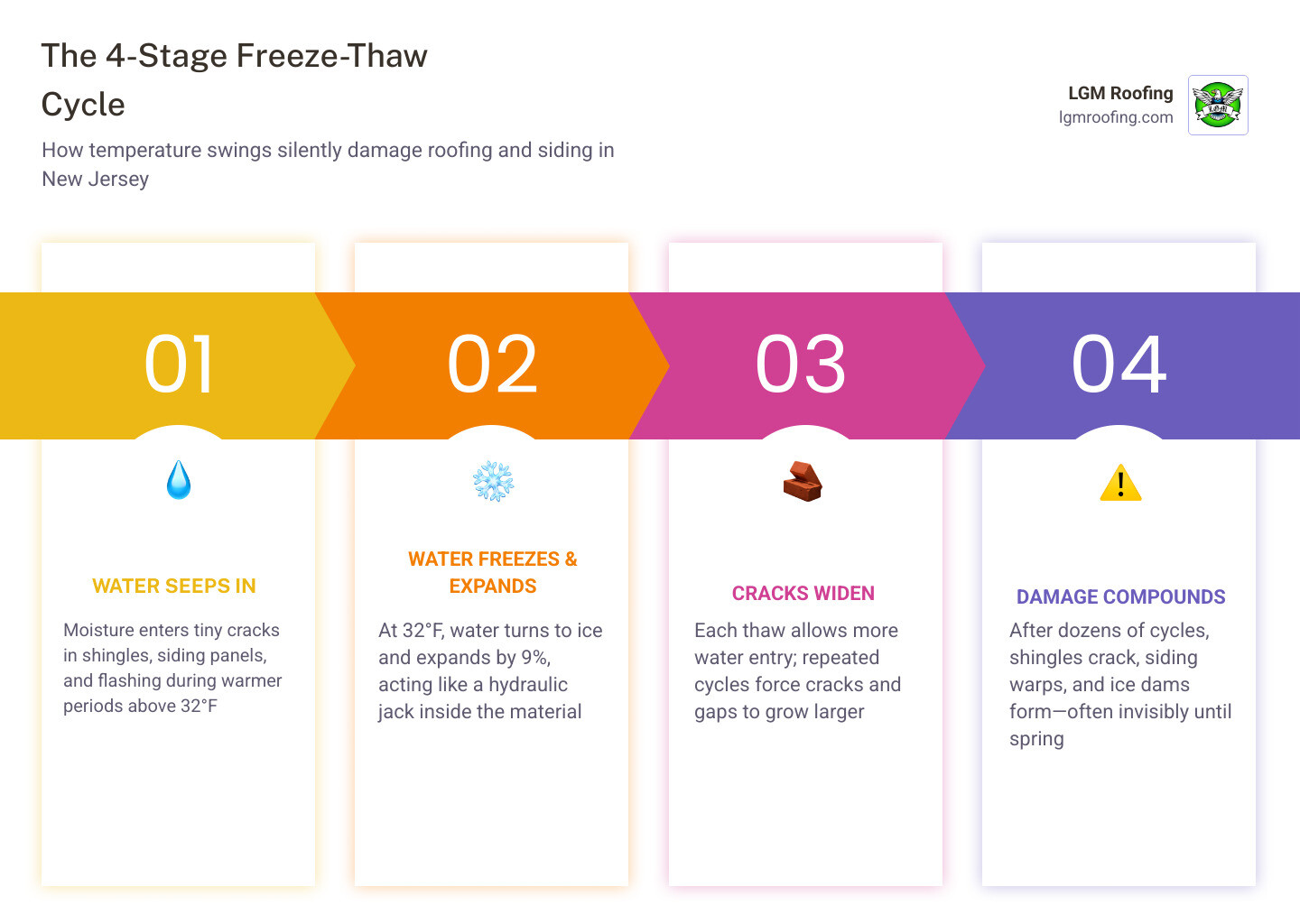
How freeze-thaw cycles damage roofing and siding — at a glance:
- Water seeps in: Moisture enters tiny cracks in shingles, siding panels, and flashing during warmer periods
- Water freezes and expands: When temperatures drop, that water expands by approximately 9%, acting like a hydraulic jack inside the material
- Cracks widen: Each freeze-thaw cycle forces those cracks open a little further
- Damage compounds silently: After dozens of cycles, shingles crack, siding warps, and ice dams form — often without any visible warning until spring
- Interior damage follows: Ceiling stains, mold, musty odors, and insulation failure appear weeks or months after the damage actually started
In New Jersey, winter temperatures can swing above and below 32°F multiple times in a single week. That repeated temperature fluctuation puts enormous stress on every layer of your home’s exterior — your roof, siding, gutters, and flashing all take a hit. A roof designed to last 25 to 30 years can fail significantly sooner when exposed to this kind of relentless seasonal wear. What makes it especially dangerous is that most of the damage builds invisibly, deep inside materials, long before you ever notice a leak or a stain on your ceiling.
I’m Darwin Mizhirumbay, founder of LGM Roofing and a second-generation roofing professional who has seen how freeze-thaw cycles damage roofing and siding across New Jersey homes season after season. In this guide, I’ll walk you through exactly what’s happening to your exterior, what warning signs to look for, and what you can do to stop the damage before it escalates.
Understanding How Freeze Thaw Cycles Damage Roofing and Siding
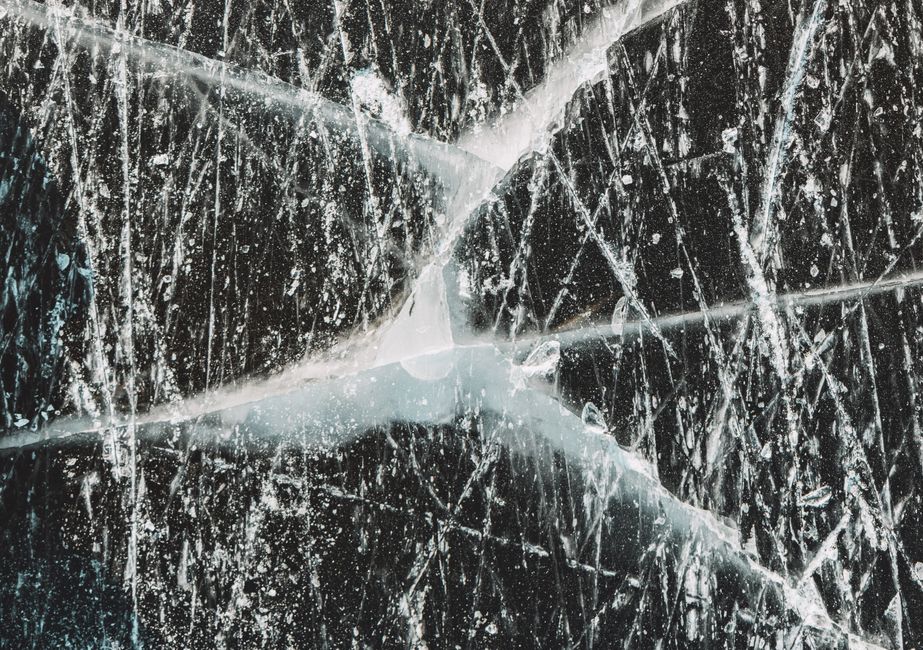
To truly grasp how freeze thaw cycles damage roofing and siding, we have to look at the physics of water. Most substances shrink when they get cold, but water is a unique rebel. When it hits the 32°F threshold and turns to ice, it expands by approximately 9% in volume.
This expansion doesn’t just happen on the surface. Through a process called capillary action, liquid water is drawn into the most microscopic pores and hairline fractures of your home’s exterior. Once tucked inside, the temperature drops, the water freezes, and it exerts massive internal pressure. Think of it like a hydraulic jack slowly prying apart your shingles or siding panels from the inside out.
In areas like Wayne and Paterson, NJ, where we experience frequent “shoulder season” weather, these cycles can occur dozens of times each winter. This repeated stress fatigues the materials. What starts as a microscopic fissure becomes a visible crack, then a gap, and eventually a direct highway for moisture to enter your home. You can learn more about how different materials handle these conditions in our guide on Will Your Siding Survive a Northeast Winter?
Identifying how freeze thaw cycles damage roofing and siding materials like shingles
Asphalt shingles are the most common roofing material in New Jersey, but they are particularly susceptible to “thermal shock.” As shingles age, they lose their essential oils and flexibility. When a freeze-thaw cycle hits, these brittle shingles can’t expand and contract easily.
The most common symptoms we see during our inspections include:
- Granule Loss: The bond between the asphalt and the protective granules weakens. You’ll often find these granules piling up in your gutters like coffee grounds. Without them, your shingles lose their UV protection and deteriorate even faster.
- Shingle Cracking: The 9% expansion of trapped water can cause full-thickness breaches in the shingle mat.
- Sealant Failure: The repeated “prying” action of ice can break the adhesive strips that hold shingles together, making them vulnerable to wind uplift.
If you notice any of these issues, it is vital to check for other Signs of Roof Damage before the next storm hits.
Why damage often appears months after winter
One of the most frustrating aspects of how freeze thaw cycles damage roofing and siding is the “delayed fuse” effect. Homeowners often assume that if they didn’t have a leak in January, their roof is fine. However, the damage caused in winter often doesn’t reveal itself until the spring thaw or the first heavy rain of April.
This happens because the ice itself can act as a temporary (and dangerous) plug. Once the weather warms up consistently, that ice melts, leaving behind widened gaps. Furthermore, moisture may have been slowly saturating your attic insulation all winter. It often takes weeks for that moisture to accumulate enough to finally soak through the drywall and create a visible ceiling stain. This is why we always emphasize How Storms Affect Your Roof and Siding Without You Knowing — the true impact is rarely immediate.
The Role of Ice Dams in Exterior Deterioration
Ice dams are perhaps the most aggressive manifestation of the freeze-thaw cycle. They form when heat escapes from your living space into the attic, warming the roof deck and melting the snow above. As that snowmelt runs down to the colder eaves (which are not over a heated space), it refreezes, creating a literal dam of ice.
As more snow melts, water pools behind this dam. Because it has nowhere to go, the water is forced upward under the shingles. This is where the real destruction happens:
- Roof Deck Rot: Water sits against the plywood or OSB sheathing, leading to wood rot.
- Fascia and Soffit Damage: The sheer weight of the ice dam can pull gutters away and rot the fascia boards.
- Insulation Failure: Once water gets past the shingles, it soaks your insulation, destroying its R-value and potentially leading to mold growth.
Preventing this requires a proactive approach to your home’s “envelope.” You should ensure your home is ready for the transition from winter to the rainy season by checking Is Your Roof Ready for Summer Storms? How to Prevent Wind Water Damage in NJ.
Protecting Your Siding from Warping and Moisture Intrusion
Roofing isn’t the only victim; how freeze thaw cycles damage roofing and siding extends to your home’s walls. Siding is designed to shed water, but it isn’t always waterproof against the pressure of expanding ice.
In vinyl siding, for example, if water gets behind the panels and freezes, it can cause the vinyl to buckle or warp. Because vinyl becomes brittle in the cold, the expansion of ice can also cause the panels to crack or “unzip” from their locking tracks.
| Material | Freeze-Thaw Resistance | Common Issues |
|---|---|---|
| Vinyl Siding | Moderate | Cracking, buckling, and panel separation |
| Fiber Cement | High | Minimal expansion, though needs proper sealing at joints |
| Composite Siding | Excellent | Highly resistant to moisture absorption and warping |
| Wood Siding | Low | Rot, paint peeling, and significant warping |
Long-term effects of how freeze thaw cycles damage roofing and siding panels
If left unaddressed, the cumulative effect of these cycles can lead to structural deterioration. Moisture trapped behind siding doesn’t just damage the panels; it attacks the house wrap and the wooden studs underneath.
Common long-term warning signs include:
- Interior Staining: Water marks on walls near windows or corners.
- Peeling Paint: Moisture pushing through the wood from the inside out.
- Musty Odors: A sign that mold is growing within the wall cavity, which can significantly impact indoor air quality.
- Reduced Lifespan: A siding system that should last 30 years might only provide 15 years of protection if moisture management isn’t handled correctly.
Proactive Maintenance Strategies for New Jersey Homeowners
As a GAF Master Elite contractor, we follow the highest industry standards to protect New Jersey homes from these brutal cycles. Prevention is always more cost-effective than a total replacement. Here is how we recommend you protect your investment:
- Optimize Attic Ventilation: A cold roof is a healthy roof. Proper ventilation ensures that heat doesn’t build up in the attic, which is the primary cause of the uneven melting that leads to ice dams.
- Balance Your Insulation: Ensure your insulation is thick enough to keep heat in your living space and away from the roof deck.
- Clear Your Gutters: Clogged gutters are the perfect breeding ground for ice dams. Ensure they are clear of leaves and debris before the first freeze. Our End of Summer Roof Maintenance Checklist for NJ Homeowners provides a great roadmap for this.
- Professional Inspections: At LGM Roofing, we look for the “invisible” signs of damage — like loosened fasteners or compromised flashing — that the untrained eye might miss.
Frequently Asked Questions
Why is the freeze-thaw cycle so aggressive in the Midwest and Northeast?
The Northeast, and specifically New Jersey, sits in a “perfect storm” zone. We have high humidity and frequent temperature swings that hover right around the 32°F mark. In a single week in Bloomfield or Piscataway, we might see a snowstorm followed by a 45-degree rainy day, followed by a 20-degree night. This creates the maximum number of expansion and contraction cycles possible.
Can newer homes still suffer from freeze-thaw damage?
Absolutely. While newer materials might be more flexible, no home is 100% immune. If the installation left small gaps in the flashing or if the attic ventilation isn’t perfectly balanced, moisture will find a way in. In fact, newer, more “airtight” homes sometimes struggle more with attic moisture if the ventilation system isn’t designed correctly.
When is the best time to schedule a professional exterior inspection?
We recommend two key times: Early spring and late autumn. A post-winter assessment in the spring is critical to catch the damage that occurred over the winter before the heavy spring rains arrive. A pre-winter check ensures your “armor” is ready for the upcoming snow.
Conclusion
The way how freeze thaw cycles damage roofing and siding is a slow, methodical process that can compromise the safety and value of your home. By understanding the “hydraulic jack” effect of expanding ice and the hidden dangers of ice dams, you can take the necessary steps to protect your property.
At LGM Roofing, we bring over 25 years of experience to every New Jersey home we service. Whether you are in Wayne, Paterson, or anywhere in between, our GAF Master Elite certification ensures that you receive the highest quality materials and a warranty that provides true peace of mind. Don’t let a winter’s worth of “silent” damage turn into a spring disaster.
Schedule your professional inspection today and let us ensure your home is ready for whatever the New Jersey weather throws its way.
Ready for a roof you can trust?
Get a free, no-pressure estimate. Family-owned since 2006, GAF Master Elite, and rated 4.9 by 130 homeowners on Google.